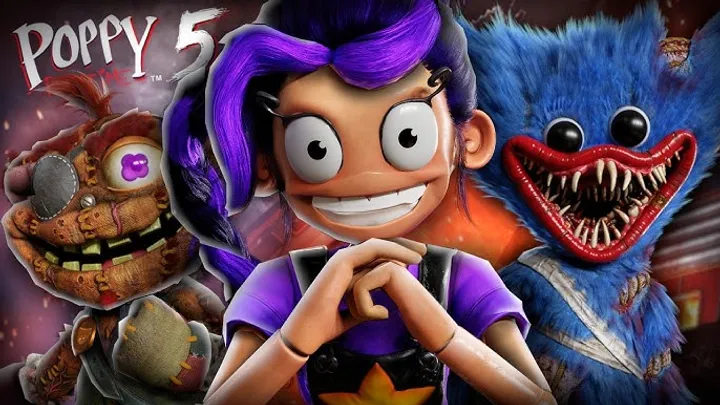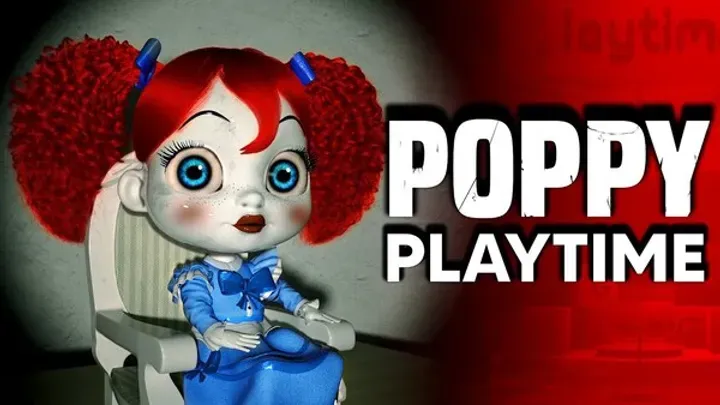





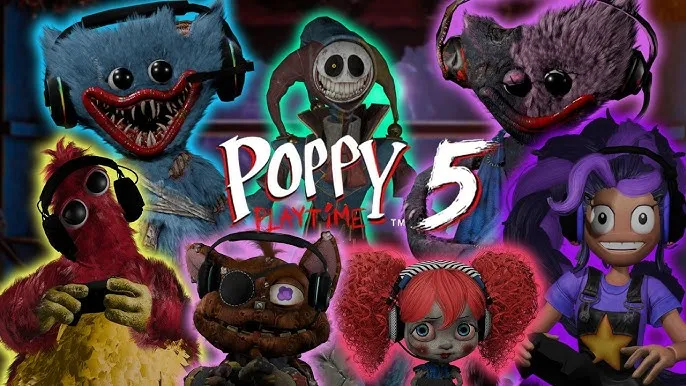
Poppy Playtime has always occupied a strange space in the horror genre, oscillating between the childhood whimsy of a toy factory and the visceral terror of biological experiments gone wrong. As the series reaches the penultimate Chapter 5, this tonal tug-of-war reaches a breaking point. The specific issue plaguing this installment is the widening gap between the player’s GrabPack puzzle-solving—a mechanic rooted in industrial logic—and the escalating body horror narrative that has shifted into the realm of the grotesque.
This article analyzes how Chapter 5 attempts to reconcile these two halves: the cold, mechanical puzzles of Playtime Co. and the weeping, organic tragedy of the Prototype’s final form. We explore the structural dissonance that occurs when a game built on "toy" aesthetics fully embraces the "Eldritch" nightmare of its lore.
The Evolution of the GrabPack: From Utility to Weaponry
In the early chapters, the GrabPack was a simple tool for environmental manipulation. You pulled levers, completed circuits, and occasionally swung across gaps. By Chapter 5, the GrabPack has been upgraded with biological components, reflecting the factory's descent into madness. The specific issue here is that as the player becomes more powerful and versatile, the sense of vulnerability—essential for horror—begins to erode.
Mob Games faces the challenge of keeping the player afraid while giving them the tools necessary to survive an increasingly hostile environment. In Chapter 5, the GrabPack becomes less of a toy and more of a life-support system. The mechanical puzzles now require the player to interact with organic flesh-valves, creating a disturbing sensory experience that clashes with the "fun" nature of the original device.
New GrabPack Modules in Chapter 5
- The Neural Link: Allows the player to briefly see through the eyes of nearby toys, though at the cost of mental "sanity" via visual distortion.
- The Hemoglobin Injector: A dark turn for the series, requiring the player to siphon "Blood-Fuel" to power certain ancient gates.
The Prototype and the Sacred Heart of the Factory
The central mystery of Chapter 5 revolves around the Shrine of the Fallen, a massive structure built by the Prototype (Experiment 1006) using the discarded parts of previous antagonists like Huggy Wuggy and Mommy Long Legs. The narrative issue here is the shift from "scary toys" to "religious cultism." The Prototype is no longer just a monster; it is a deity within the factory’s ecosystem.
This shift changes the player's relationship with the environment. You are no longer just exploring a factory; you are trespassing in a cathedral of flesh. The environmental storytelling in Chapter 5 is denser than ever, with murals painted in ink and blood that detail the Prototype’s rise to power. This deeper lore, while fascinating, often distracts from the immediate survival gameplay, creating a split focus for the player.
The Death of Mascot Whimsy: The Grotesque Transformation
Chapter 5 marks the total abandonment of the mascot aesthetic in favor of pure body horror. We see devolved versions of familiar characters—Smiling Critters that are more bone than felt, and dolls that possess human-like respiratory systems. The issue for the developers is maintaining the brand identity while pushing into territory that resembles games like Resident Evil or Scorn.
When a toy is no longer recognizable as a toy, the fundamental appeal of "Mascot Horror" begins to blur. Chapter 5 leans heavily into the Uncanny Valley, with monsters moving in a jerky, realistic gait that suggests a skeleton beneath the fur. This transformation is effective for scares, but it risks alienating the audience that initially propelled the series to fame through its colorful, albeit creepy, designs.
Verticality and the Abyss: Navigating the Production Depths
The level design of Chapter 5 takes the player into the lowest levels of Playtime Co., known as The Sump. Unlike the colorful corridors of previous chapters, the Sump is a vertical labyrinth of rusted pipes and organic growth. The mechanical issue here is Exploration Fatigue. Because the environment is so dark and visually similar, players often lose their sense of direction.
To counter this, Chapter 5 introduces a new "pinger" mechanic on the GrabPack, but this further moves the game toward a sci-fi thriller rather than a ghost-story-in-a-toy-store. The scale of the Sump is meant to make the player feel small, but it often makes the puzzles feel disconnected from the narrative. You are doing complex electrical work while an eldritch god hunts you, which can feel somewhat absurd.
The Poppy Paradox: Ally or Antagonist
Poppy herself becomes a central issue in Chapter 5. Her motivations have always been murky, but here, her humanity is put on full display. The game asks the player to trust a doll that has clearly manipulated every event since Chapter 1. The psychological friction comes from the player’s desire for an ally versus the narrative’s insistence on betrayal.
The dialogue in Chapter 5 is much more philosophical, dealing with themes of the soul and the vessel. While this adds depth, it can feel wordy for an action-horror game. Players want to run from the Prototype, but the game often forces them to stand still and listen to Poppy’s existential ruminations. This creates a pacing issue that wasn't as prevalent in the shorter, punchier earlier chapters.
The Mechanical Weight of Guilt: The Recall System
A new gameplay system introduced in Chapter 5 is The Recall, where the player must manually "shut down" sentient toys that are not hostile. This is a brilliant narrative move but a clunky mechanical one. It forces the player to commit acts of violence against innocents to progress, highlighting the player's role in the factory's destruction.
The issue is that the shutdown process is a tedious mini-game. While it is narratively heavy, it slows the gameplay to a crawl. In a more open RPG, this might be a choice, but here it is a mandatory progression step. This removes the player's agency, making the guilt feel forced rather than earned through their own decisions.
The Recall Process Steps:
- Sedation: Using the blue hand to stun the target.
- Extraction: Using the green hand to remove the core.
- Incineration: Dropping the remains into the Sump.
Audio Dissonance: The Sound of Childhood vs. The Sound of Death
The sound design in Chapter 5 is a masterclass in discomfort. You hear the distorted melodies of Playtime Co. commercials playing over the sound of wet, squelching footsteps. However, the specific issue here is Audio Clutter. With so many layers of environmental sound—steam hissing, monsters growling, Poppy whispering—important gameplay cues can get lost.
In a game where listening for a monster’s breath is the difference between life and death, the over-designed soundscape can be frustrating. Many players have reported needing to turn off the background music just to hear the directional audio of the enemies. This undermines the atmospheric work the composers have done, as the music is often what provides the emotional cues for the story.
The Final Boss Expectation: Scaling the Prototype
As the series approaches its end, the expectation for the Prototype’s reveal is astronomical. In Chapter 5, the game continues to tease the creature in fragments—a clawed hand, a ribcage made of rebar. The issue is the "Jaws Effect": the monster is often scarier when it's not seen. By teasing the Prototype so heavily, Mob Games risks a letdown when the creature is finally fully revealed.
The combat encounters in Chapter 5 are more frequent, suggesting that the game is preparing the player for a traditional Boss Fight. This is a departure from the chase sequences that defined the first three chapters. Transitioning from a stealth-horror game to a combat-horror game is a risky move that could alienate fans of the original’s hide-and-seek gameplay.
Technical Performance and the Mascot Tax
The visual fidelity of Chapter 5 is stunning, using advanced lighting to create realistic shadows on plastic and fur. But this comes at a Technical Tax. The game is increasingly difficult to run on mid-range PCs and mobile devices. This is a specific issue for a game that grew its fanbase on accessible platforms.
When the frame rate drops during a high-stakes chase, the horror vanishes, replaced by frustration. The Mascot Horror genre relies on smooth, cinematic movements to sell its jumpscares. If the game hitches, the scare is spoiled. Mob Games has struggled with optimization in the past, and Chapter 5's ambitious scope makes these technical hurdles more prominent than ever.
Conclusion: The Soul in the Machine
In conclusion, Poppy Playtime: Chapter 5 is a victim of its own ambition. It tries to be a deep, biological horror story while maintaining the GrabPack puzzle logic of a toy factory. The specific issue of ludonarrative dissonance—the gap between what the player does (puzzles) and what the player sees (body horror)—is the defining challenge of this chapter.
While the lore is at its most captivating and the atmosphere is undeniably oppressive, the mechanical rigidity of the series is starting to show its age. To truly succeed, the series needs to decide if it is a "Toy" game or a "Gore" game. Chapter 5 sits uncomfortably in the middle, creating a unique, albeit fractured, horror experience that leaves fans both terrified and technically frustrated.