




Introduction
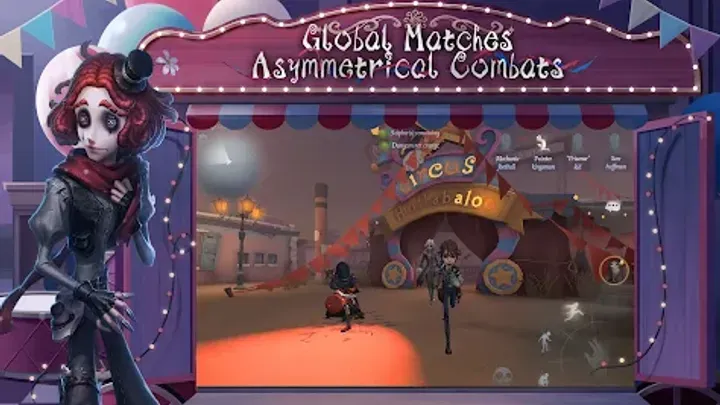
Identity V is not just a horror game — it is a psychological, tactical survival game where decision-making, awareness, and teamwork matter more than reflexes alone. Many players struggle not because they lack skill, but because they misunderstand how the game truly works at a system level.
This Tip & Guide focuses on one core goal: helping you survive longer, decode smarter, kite better, and win more consistently in Identity V.
These are not beginner tips.
They are strategic habits, mental models, and gameplay principles used by high-level players.
If you want to improve in Identity V, you don’t need faster hands — you need better thinking.
1. Tip: Change Your Mindset From “Horror Game” to “Strategy Game”
Identity V looks like horror, but it plays like chess.
Guide insight:
Every match is about information, prediction, and control.
Practical mindset shift:
- Track hunter movement
- Predict spawn routes
- Read map pressure
- Anticipate rotations
- Control tempo
Fear causes mistakes.
Understanding creates confidence.
 2. Tip: Learn Map Logic, Not Just Map Layouts
Knowing the map is not enough — you must understand how it flows.
Guide focus:
- Spawn patterns
- Cipher distribution
- High-risk zones
- Safe kite areas
- Transition routes
Good players memorize structures.
Great players understand movement systems.
3. Tip: Master Kiting Through Positioning, Not Panic
Kiting is not about speed — it’s about control.
Guide strategies:
- Pre-plan escape routes
- Use windows and pallets strategically
- Force long pathing
- Reset line of sight
- Control distance
Calm movement > fast movement.
4. Tip: Decode With Team Awareness
Solo decoding loses games.
Guide habits:
- Track teammate positions
- Predict rescue timing
- Adjust cipher focus
- Avoid overstacking
- Rotate intelligently
Winning teams decode as a system, not as individuals.
5. Tip: Build Characters Around Roles, Not Preference
Pick characters for team function, not just comfort.
Guide thinking:
- Rescuers
- Kiters
- Support
- Decoders
- Hybrid roles
Balanced teams survive longer and win more.
6. Tip: Use Persona Builds Strategically
Personas are not passive — they define playstyle.
Guide principles:
- Match persona to role
- Build for survivability
- Build for pressure control
- Build for rescue efficiency
- Build for late-game
Your build should support your purpose.
 7. Tip: Learn Hunter Psychology
Hunters are players, not bots.
Guide awareness:
- Predict tunnel behavior
- Read patrol patterns
- Recognize pressure strategies
- Exploit overcommitment
- Force mistakes
Winning comes from understanding human behavior.
8. Tip: Master Rescue Timing
Bad rescues lose games faster than bad kiting.
Guide rules:
- Rescue after half when possible
- Force hunter cooldowns
- Use safe paths
- Avoid double downs
- Coordinate with team
Rescue is strategy, not bravery.
9. Tip: Control Endgame, Don’t Panic It
Endgame decides matches.
Guide endgame habits:
- Plan gate pressure
- Split hunter attention
- Use detention wisely
- Communicate exits
- Prioritize survival over hero plays
Endgame chaos favors hunters — structure favors survivors.
10. Tip: Improve Through Analysis, Not Grind
Grinding games without learning creates plateaus.
Guide improvement method:
- Review mistakes
- Analyze deaths
- Track bad habits
- Learn from losses
- Study positioning
Growth comes from awareness, not volume.
Conclusion
Identity V is not about jump scares, skins, or flashy plays — it is about strategy, psychology, and system mastery. Players who focus only on mechanics often stagnate, while players who understand positioning, information flow, and team dynamics continue to improve.
This Tip & Guide shows one truth:
Winning in Identity V is not about being fearless — it’s about being intelligent.
If you want to become a stronger player, stop reacting to the game and start controlling it.
Because in Identity V, survival is not luck.
It is design, discipline, and decision-making.