.webp)







Introduction
Kebab Chefs! Restaurant Simulator is more than just a cooking game. It challenges players to manage every aspect of a restaurant, from preparing food and serving customers to hiring staff and expanding the business. While the game appears simple at first, many new players struggle to grow beyond the early stages because they lack a clear strategy.
This guide explains exactly how to build a successful restaurant from the beginning to the late game. Instead of focusing on general gameplay, it provides a step-by-step approach that helps players earn money faster, improve efficiency, and avoid common mistakes that can slow progression.
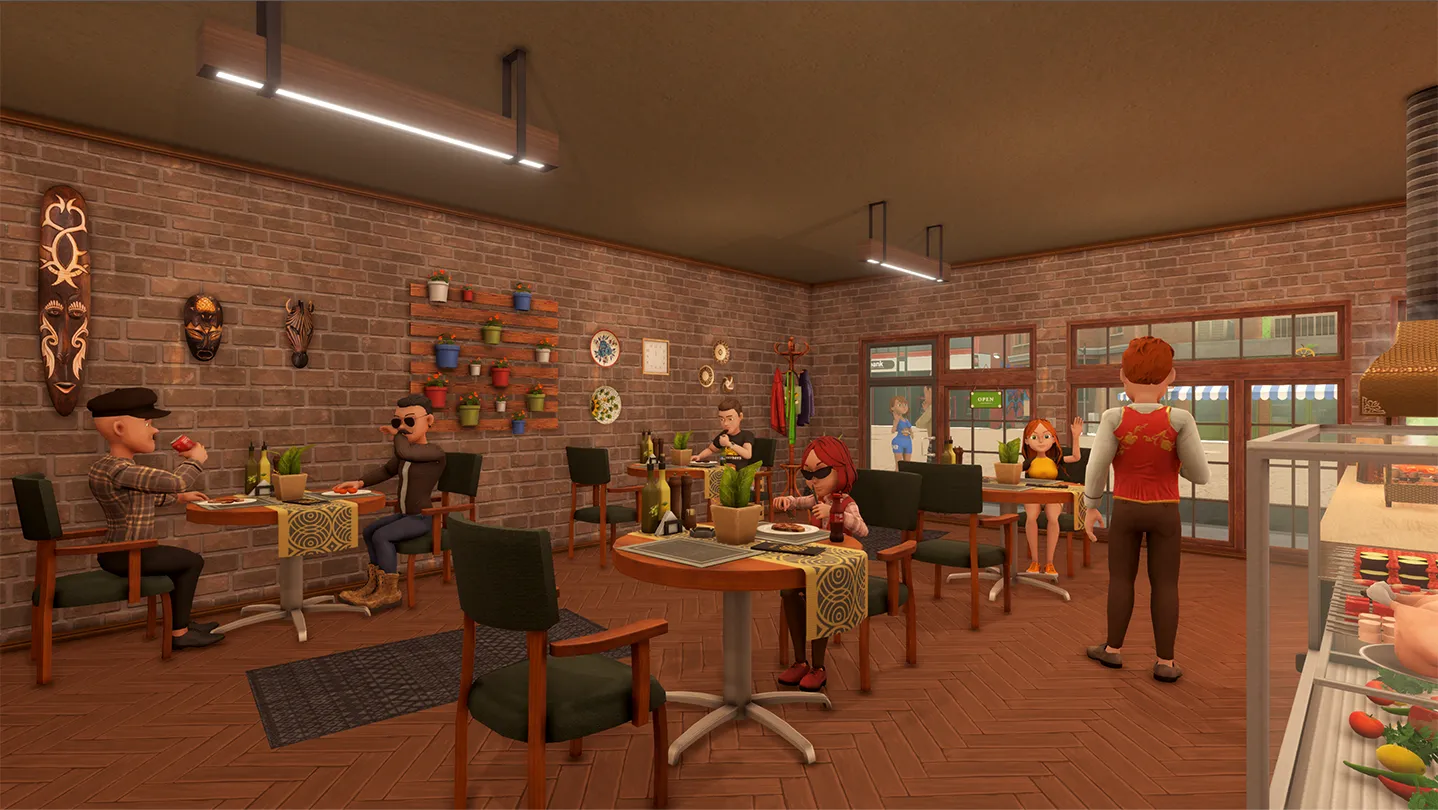 Getting Started the Right Way
The first day in Kebab Chefs! Restaurant Simulator determines how quickly your restaurant will grow. Many players immediately spend money on decorations or unnecessary upgrades, which often leads to financial problems later.
The best approach is to focus entirely on generating profit. Every dollar earned should contribute toward improving efficiency and customer satisfaction.
Essential Beginner Priorities
- Learn the cooking process
- Serve customers quickly
- Avoid wasting ingredients
- Save money for upgrades
- Keep operations simple
A strong foundation makes every future upgrade more effective.
Understanding Your First Customers
Early customers are extremely important because they provide the money needed for growth. Fast service creates positive reviews and encourages more visitors.
Even a small delay can reduce customer satisfaction, so speed should always be the primary goal during the opening days.
How to Earn Money Fast in the Early Game
The early game is all about maximizing profits while keeping expenses low.
Many new players earn money but immediately spend everything. Successful players instead focus on accumulating capital before making major purchases.
Best Money-Making Methods
Prioritize Popular Menu Items
Popular dishes sell faster and generate more consistent income.
Avoid Overbuying Ingredients
Purchase only what you expect to use during service.
Keep Customer Turnover High
The faster customers finish their meals, the more guests you can serve.
These small optimizations create significant long-term profits.
How to Organize Your Kitchen
Kitchen layout directly affects restaurant performance.
An efficient kitchen reduces travel time, speeds up cooking, and improves overall productivity. Poor layouts force employees to waste valuable seconds moving between stations.
Building an Efficient Workflow
Place stations in logical order:
- Ingredient Storage
- Preparation Area
- Cooking Equipment
- Serving Station
This setup minimizes unnecessary movement.
Common Layout Mistakes
Narrow Pathways
Employees often collide with each other.
Random Equipment Placement
Workers spend more time walking than cooking.
Overcrowded Kitchens
Too many appliances can create bottlenecks.
A simple layout is often more effective than a complicated one.
How to Keep Customers Happy
Customer satisfaction plays a major role in restaurant growth.
Happy customers leave positive reviews and return more frequently. Unhappy customers can damage your reputation and reduce future income.
Factors That Affect Satisfaction
- Food quality
- Service speed
- Cleanliness
- Waiting times
- Restaurant atmosphere
Improving these areas consistently increases customer ratings.
Reducing Waiting Times
Customers become impatient when service is slow.
Focus on:
- Faster food preparation
- Better staff organization
- Efficient table placement
Small improvements can dramatically boost customer happiness.
How to Hire Employees Effectively
Staff members become necessary as your restaurant grows.
However, hiring too early can reduce profits because salaries increase operating costs.
When To Hire
Consider new employees when:
- Customer demand exceeds capacity
- Current staff are overloaded
- Service quality begins declining
Hiring should solve a problem, not prevent a hypothetical one.
Best Early Employees
The most valuable early hires usually include:
- Additional cooks
- Servers
- Cleaning staff
Each role helps improve restaurant efficiency.
How to Expand Your Restaurant
Expansion is exciting but can be dangerous if done incorrectly.
Many players rush to purchase additional tables without increasing kitchen capacity. This creates longer wait times and lower customer satisfaction.
The Correct Expansion Process
Step 1
Improve kitchen efficiency.
Step 2
Increase staffing if necessary.
Step 3
Add additional seating.
Step 4
Monitor customer satisfaction.
Following this order prevents operational problems.
Signs You're Ready To Expand
- Stable profits
- Fast service
- High customer ratings
- Efficient kitchen workflow
Expansion should be earned through performance rather than impatience.
How to Manage Inventory Properly
Inventory management becomes increasingly important as the restaurant grows.
Running out of ingredients during peak hours can result in lost sales and frustrated customers.
Inventory Management Tips
- Track best-selling dishes
- Monitor ingredient usage
- Restock before busy periods
- Avoid excessive purchasing
Efficient inventory systems reduce waste and increase profits.
Avoiding Ingredient Shortages
Always maintain a small emergency stock of essential ingredients.
This strategy prevents service interruptions during unexpected demand spikes.
How to Improve Restaurant Ratings
Higher ratings attract more customers and increase revenue potential.
Many players focus exclusively on profits while ignoring reputation, but ratings often determine long-term success.
Improving Reviews
Serve Food Quickly
Fast service remains one of the biggest rating factors.
Maintain Cleanliness
Dirty environments reduce customer satisfaction.
Upgrade Gradually
Customers appreciate noticeable improvements over time.
A highly rated restaurant often earns more money than a larger but poorly managed establishment.
 How to Optimize Staff Productivity
As the restaurant expands, employee management becomes increasingly important.
Every worker should have a clear purpose. Unproductive employees create unnecessary expenses.
Productivity Improvement Strategies
- Assign workers specific tasks
- Eliminate workflow bottlenecks
- Reduce travel distances
- Upgrade equipment regularly
These changes allow fewer employees to accomplish more work.
Monitoring Performance
Watch for:
- Idle workers
- Long customer waits
- Unfinished tasks
- Kitchen congestion
Identifying these problems early prevents major inefficiencies.
How to Reach the Late Game
The late game focuses on scaling operations while maintaining quality.
Successful restaurants balance profitability, efficiency, customer satisfaction, and employee productivity.
Players who master these systems can create highly profitable establishments capable of handling large customer volumes.
Late-Game Priorities
Advanced Layout Optimization
Refine every aspect of restaurant design.
Staff Specialization
Assign employees according to strengths.
Continuous Upgrades
Invest profits into productivity improvements.
Growth becomes much easier once these systems work together.
How to Build the Ultimate Restaurant
The ultimate goal is not simply creating the biggest restaurant but creating the most efficient one.
Successful players understand that every decision should improve customer experience while maintaining profitability. By combining efficient layouts, smart staffing, proper inventory management, and strategic expansion, players can build a restaurant that thrives throughout the game.
Long-term success comes from careful planning rather than rapid growth. The most profitable restaurants are those that evolve steadily and efficiently.
Conclusion
Kebab Chefs! Restaurant Simulator rewards players who focus on strategy rather than speed. By learning how to earn money efficiently, organize kitchens, manage employees, satisfy customers, and expand carefully, players can transform a small kebab shop into a thriving restaurant empire. Following the steps outlined in this guide will help both beginners and experienced players avoid common mistakes and achieve long-term success.