



Introduction
Dredge arrived quietly, presenting itself as a cozy fishing game with light horror elements layered beneath calm waters and simple mechanics. Early impressions focused on its atmosphere: gentle waves, soft lighting, and a slow progression loop that felt meditative rather than threatening. Yet beneath this surface calm lies a specific design tension that has become increasingly discussed as more players complete the game: Dredge struggles to sustain psychological horror without undermining its own relaxing core loop.
This article examines how Dredge’s dual identity—part tranquil fishing simulator, part cosmic horror narrative—creates a structural conflict that limits long-term tension. Rather than offering a general review, it focuses on how recent player behavior and post-launch discussion reveal the difficulty of maintaining fear in a system built around comfort.
1. A Game Designed to Lower the Player’s Guard
From its opening moments, Dredge trains the player to relax. Fishing is slow, repetitive, and rewarding. The audio design favors calm over danger, and early progression emphasizes routine.
This intentional comfort is what makes the horror effective at first. When something strange appears on the horizon, it disrupts a space the player believes to be safe.
However, this same comfort loop becomes resistant to fear over time. Once the player internalizes fishing as a low-stress activity, horror elements struggle to reclaim emotional dominance.
2. Horror as an Interruption, Not a System
Events That Happen Around the Player
Dredge’s horror often occurs at the edges of play: shadowy figures, distorted fish, unsettling NPC dialogue. These moments are atmospheric but rarely demand immediate action.
As a result, fear is optional. Players can delay encounters, retreat to safety, or simply fish elsewhere.
Why Optional Horror Weakens Tension
True psychological horror requires commitment. When players can disengage at will, fear becomes aesthetic rather than experiential.
3. Day–Night Cycles Lose Their Threat
Early Anxiety, Late Routine
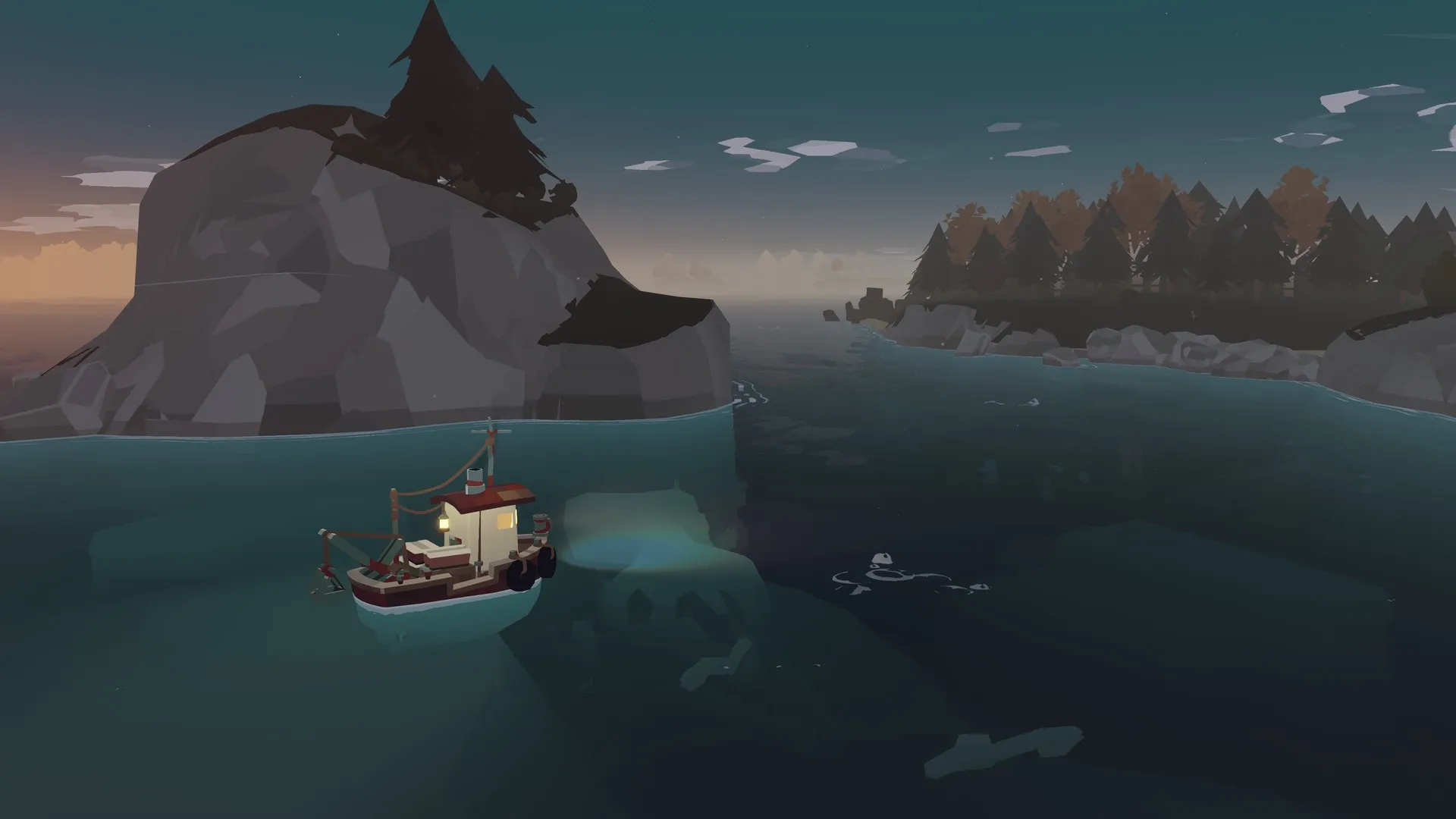
Nighttime initially feels dangerous. Visibility drops, strange sounds emerge, and navigation becomes stressful.
Over time, however, players learn optimal routes, manage panic meters efficiently, and unlock upgrades that trivialize nighttime risks.
Darkness Becomes Manageable
Once darkness is solved mechanically, it loses its emotional weight.
4. Upgrades as Fear Neutralizers
Progression Reduces Vulnerability
Hull upgrades, engine boosts, and better lighting systematically remove risk. What was once a dangerous journey becomes a checklist of tasks.
Progression rewards competence—but competence erodes horror.
The Comfort Curve Problem
Dredge’s progression curve favors stability over uncertainty, which is ideal for relaxation but hostile to sustained fear.
5. Narrative Horror vs Mechanical Calm
Story Tells One Thing, Systems Do Another
The narrative speaks of madness, obsession, and cosmic terror. The mechanics reward patience, efficiency, and calm planning.
This disconnect creates cognitive dissonance: the story says “panic,” but the game says “relax.”
Emotional Signals Clash
Players feel soothed while being told they should feel afraid.
6. The Illusion of Consequence
Failure Is Rarely Punishing
Mistakes often result in minor setbacks rather than lasting damage. Lost cargo is replaceable. Repairs are cheap.
Without meaningful loss, fear lacks consequence.
Psychological Horror Needs Cost
Fear becomes meaningful when mistakes linger beyond the moment.
7. Player Behavior Reveals the Core Issue
Cozy Fishing Takes Priority
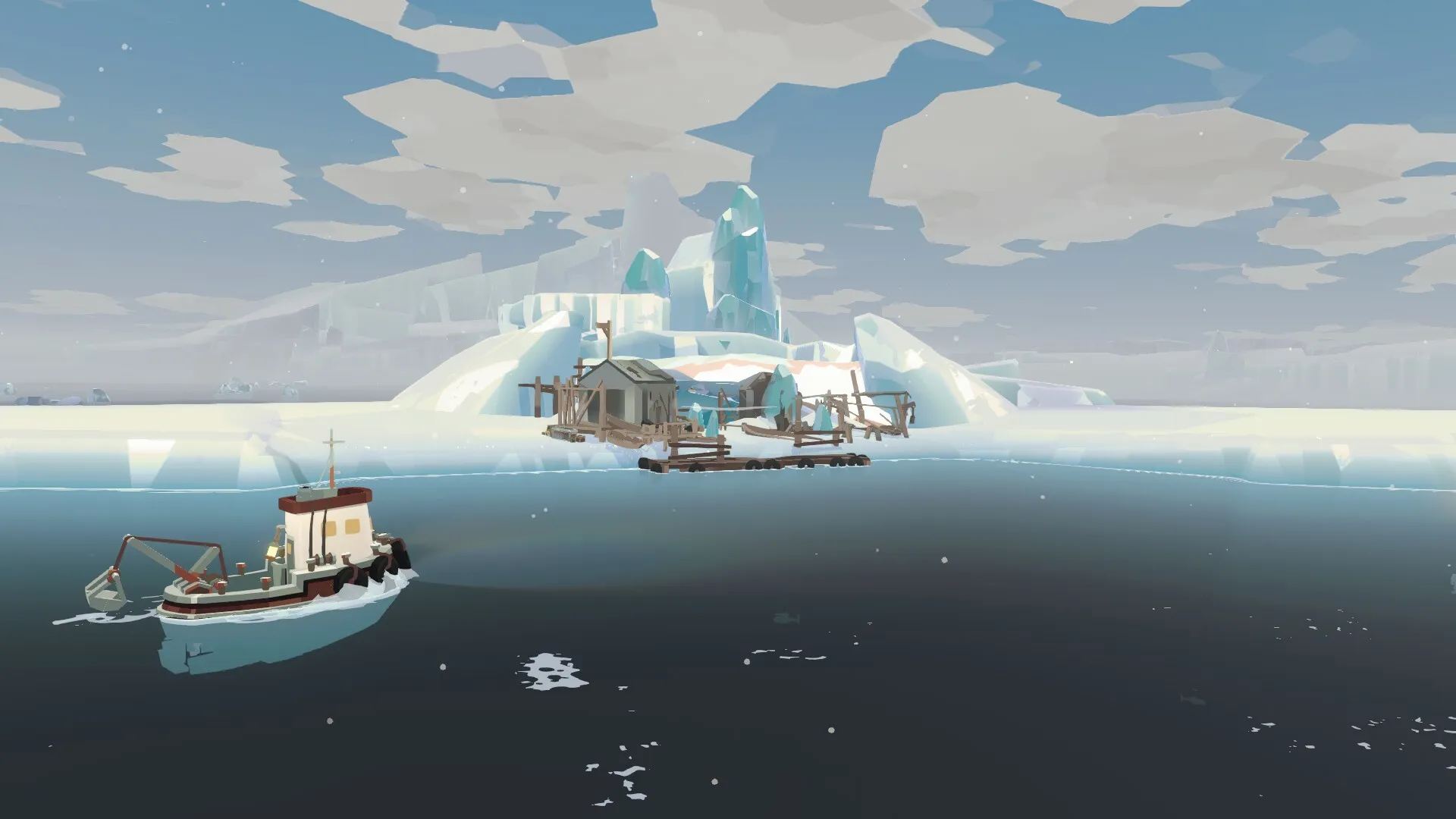
Many players engage with Dredge primarily as a calming routine. Horror becomes a flavor, not a driver.
Community discussions often describe the game as “relaxing with spooky vibes,” not genuinely frightening.
What This Signals
The game succeeds at comfort more than terror—and that may be intentional.
8. Updates Can’t Reconcile the Conflict
More Content, Same Structure
Additional fish, events, and locations add variety but do not alter the fundamental comfort loop.
Without systemic changes, horror remains secondary.
Structural, Not Content-Based Limits
This is not a problem that more monsters can solve.
9. Lessons for Hybrid Horror Design
Dredge highlights a critical lesson for developers:
- Comfort and fear pull in opposite directions
- Sustained horror requires persistent vulnerability
- Relaxation loops resist emotional escalation
Balancing both requires one to dominate—or both to weaken.
10. Dredge’s Legacy and Identity
A Horror Game That Chose Calm
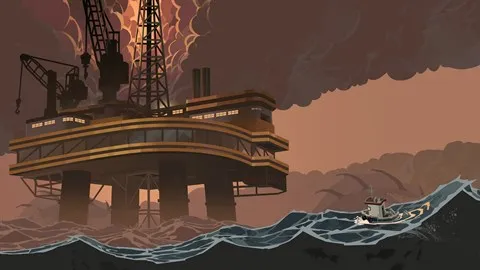
Rather than failing, Dredge makes a clear choice: it prioritizes emotional safety over sustained terror.
This choice defines its identity—and its limits.
Why It Still Matters
Dredge proves that horror does not need intensity to be memorable, even if it cannot remain frightening forever.
Conclusion
Dredge’s greatest strength—its calming, meditative fishing loop—is also what limits its horror potential. As players grow comfortable, fear recedes, leaving atmosphere without anxiety. The game does not collapse under this tension; it resolves it by choosing calm.
In doing so, Dredge becomes a case study in how psychological horror struggles to survive inside systems designed for relaxation.
160-character summary
Dredge’s cozy fishing loop slowly neutralizes its psychological horror, revealing the difficulty of sustaining fear within a system built for calm.