.webp)





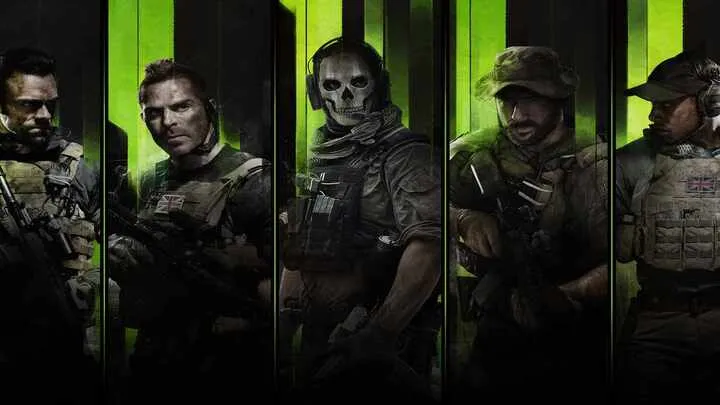
The Call of Duty franchise stands as one of the most influential pillars in modern gaming, capturing millions of players with its cinematic campaigns, competitive multiplayer systems, and ever-expanding online ecosystem. Across two decades, the series has evolved dramatically—shifting from grounded World War II scenarios to futuristic battlegrounds, sprawling battle royale arenas, and deeply immersive narrative experiences.
However, this evolution brings with it a crucial challenge: how can Call of Duty continue modernizing while preserving the identity that made it legendary?
This article explores how Call of Duty navigates this delicate balance, focusing on gameplay design, storytelling, community expectations, and the franchise’s impact on the gaming world.
The Legacy of Call of Duty
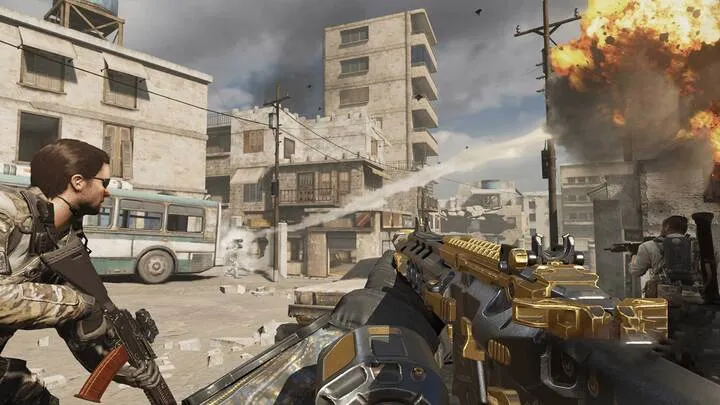
The original Call of Duty, released in 2003, introduced players to an intense, squad-driven interpretation of World War II. Its cinematic battles, sharp audio design, and immersive mission structure set a new benchmark for FPS games.
As the franchise grew, it shaped and reshaped the genre—whether through the revolutionary multiplayer progression of Modern Warfare, the psychological depth of Black Ops, or the large-scale sandbox design of Warzone.
Few gaming series have sustained relevance for such a long period, and even fewer have influenced the wider industry to a comparable degree.
Evolving Gameplay: Innovation vs. Tradition
One core pillar of Call of Duty’s identity is its fast, fluid gunplay. Regardless of the era—past, present, or future—the series prioritizes movement responsiveness, weapon precision, and immediate player feedback.
Yet the franchise constantly experiments with new mechanics:
Advanced movement systems like boost jumps and wall-running
Tactical sprint and slide canceling
Gunsmith customization and attachment tuning
Battle royale mechanics introduced through Warzone
These innovations keep the game fresh, but they also risk alienating players who prefer the classic CoD feel. Striking a balance between new mechanics and the traditional CoD experience remains one of the biggest challenges for each new installment.
Storytelling and Cinematic Presentation
Campaigns have always been one of the franchise’s strongest elements. From the emotional narratives of Modern Warfare to the mind-bending psychological twists of Black Ops, Call of Duty built its reputation on memorable characters and high-stakes missions.
Modern entries aim to deliver:
Biometric facial capture
Real-time cinematics
Advanced motion animation
Grounded political narratives
Larger, open-level mission structures
But in the pursuit of realism and spectacle, some fear the series may lose the simplicity and emotional clarity of the earlier titles. Maintaining narrative coherence across multiple timelines and reboots is an ongoing struggle.
Multiplayer: The Heart of the Franchise
While campaigns draw players in, multiplayer keeps them engaged. The progression systems, weapon mastery challenges, killstreak rewards, and fast-paced matches create an addictive loop.
However, multiplayer faces pressures that didn’t exist years ago:
The rise of live-service gaming
Cross-platform matchmaking
Seasonal content expectations
Meta balance and weapon tuning
Skill-based matchmaking debates
Delivering fresh content while preserving competitive integrity has become one of the franchise’s most delicate balancing acts.
Warzone: Reinventing the CoD Ecosystem
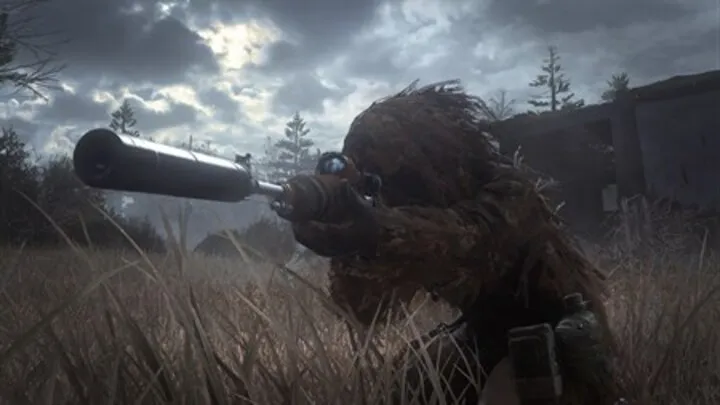
The launch of Warzone marked a turning point. Suddenly, Call of Duty became more than a series of yearly releases—it became a unified platform.
Warzone introduced:
Massive 150-player battle royale matches
The Gulag respawn mechanic
Loadout drops that preserved classic CoD identity
Cross-progression across titles
Yet this ambitious integration also created challenges:
Content bloat
Balancing weapons across different eras
Technical performance issues
Player burnout
Despite these hurdles, Warzone remains one of the defining battle royale experiences in gaming.
Community Expectations and Franchise Identity
Perhaps the most difficult part of maintaining Call of Duty’s legacy is satisfying a community that spans every type of player:
Casual fans who love fast multiplayer
Hardcore competitive players
Story-driven campaign enthusiasts
Warzone grinders
Mobile gamers
Each group wants something different from the franchise, forcing developers to walk a tightrope between innovation and familiarity.
The Challenge of Modernization
As gaming evolves, so does the pressure on Call of Duty. The rise of AI-driven design, open-world mechanics, dynamic environments, and cross-platform ecosystems pushes the franchise into new territory.
But modernizing too aggressively risks losing the core experience that players have cherished for twenty years.
The question becomes: