.webp)








War Thunder has evolved far beyond its original roots as a vehicle combat simulator. In 2025, the game offers a unified battlefield across air, land, and sea, featuring realistic physics, detailed historical accuracy, and a growing competitive community. The latest updates have overhauled flight mechanics, vehicle handling, damage modeling, and map dynamics, creating a more immersive and strategic experience.
This article examines War Thunder’s current state, analyzing the 2025 updates, vehicle and map diversity, the evolution of realistic combat mechanics, competitive ecosystems, and the ways Gaijin Entertainment continues to refine the balance between historical authenticity and engaging gameplay.
Refined Vehicle Mechanics and Physics
Air Combat Enhancements
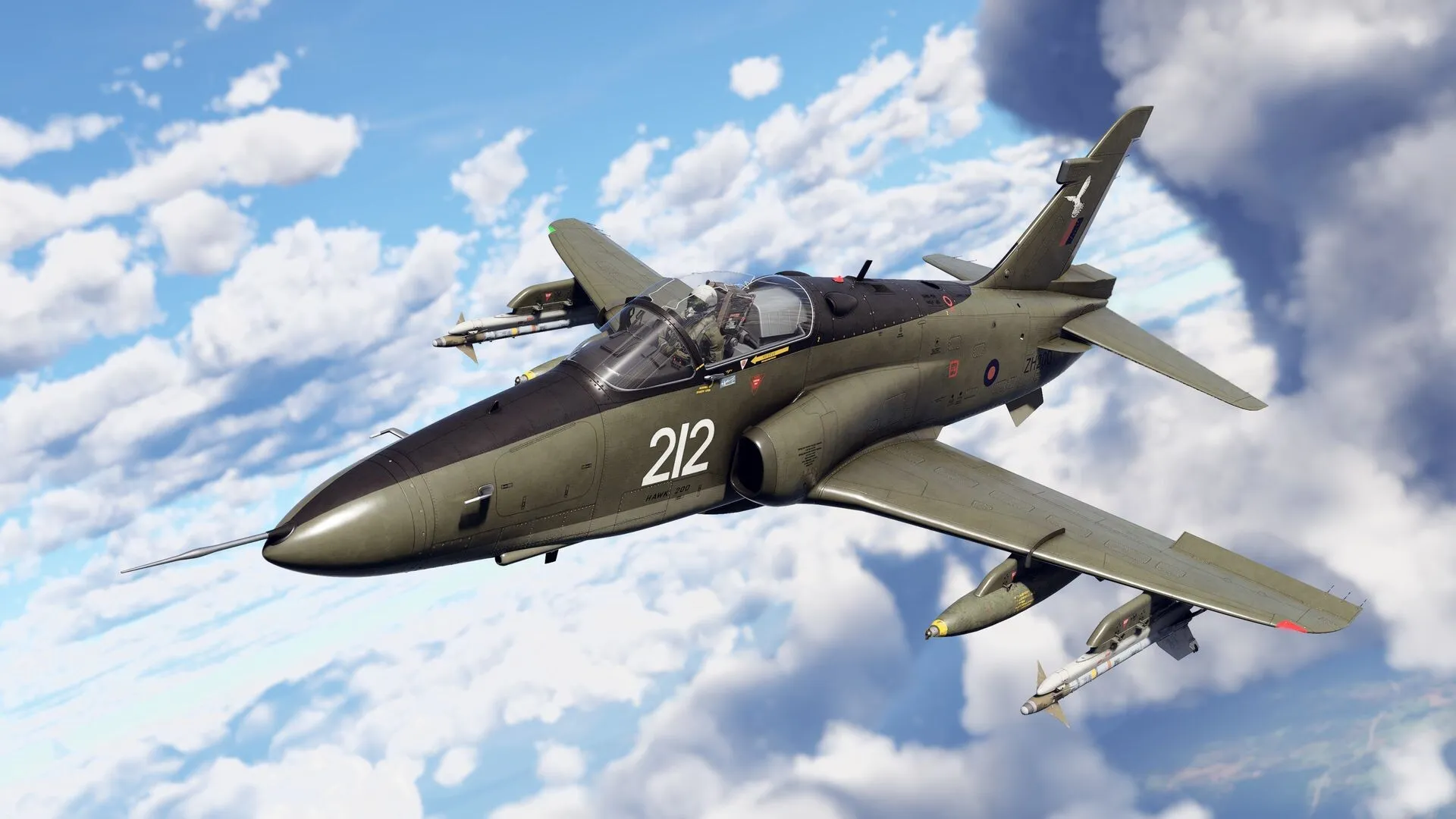
The 2025 flight model overhaul has increased realism for both propeller and jet aircraft. Lift, drag, and thrust calculations now respond more precisely to altitude, speed, and weather conditions. Maneuvering at high G-forces affects pilot control and aircraft stability.
These changes make energy fighting and proper climb and dive management more critical, rewarding players who understand historical aircraft performance. Dogfights now demand careful planning, accurate throttle control, and situational awareness.
Ground Vehicle Dynamics
Tank handling now accounts for suspension, terrain type, and wheel/track mechanics. Mud, sand, and snow significantly affect speed and maneuverability. Vehicle stability on slopes and during recoil fire has been refined, creating a more tactical experience that emphasizes positioning and terrain advantage.
Naval Warfare Realism
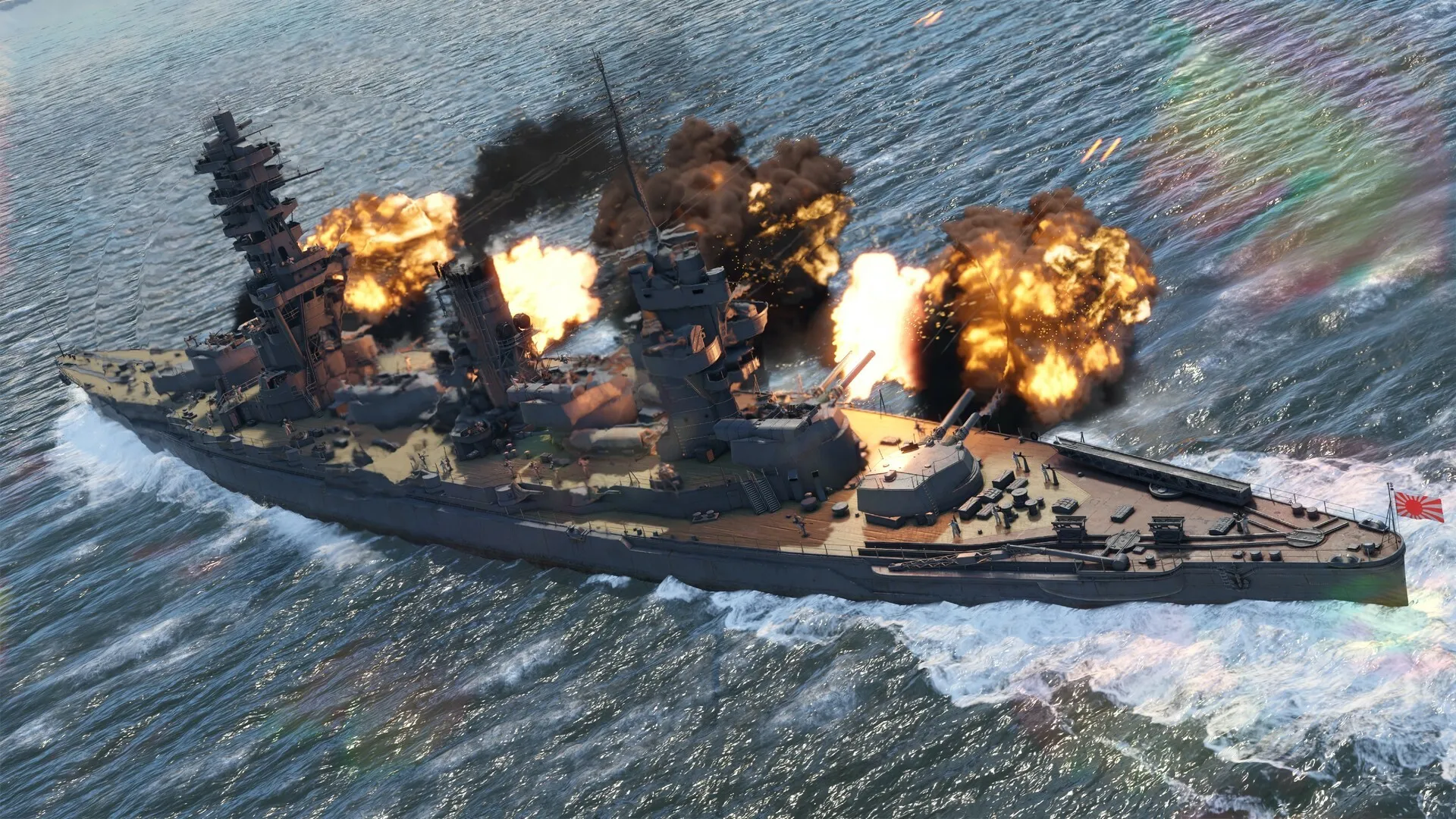
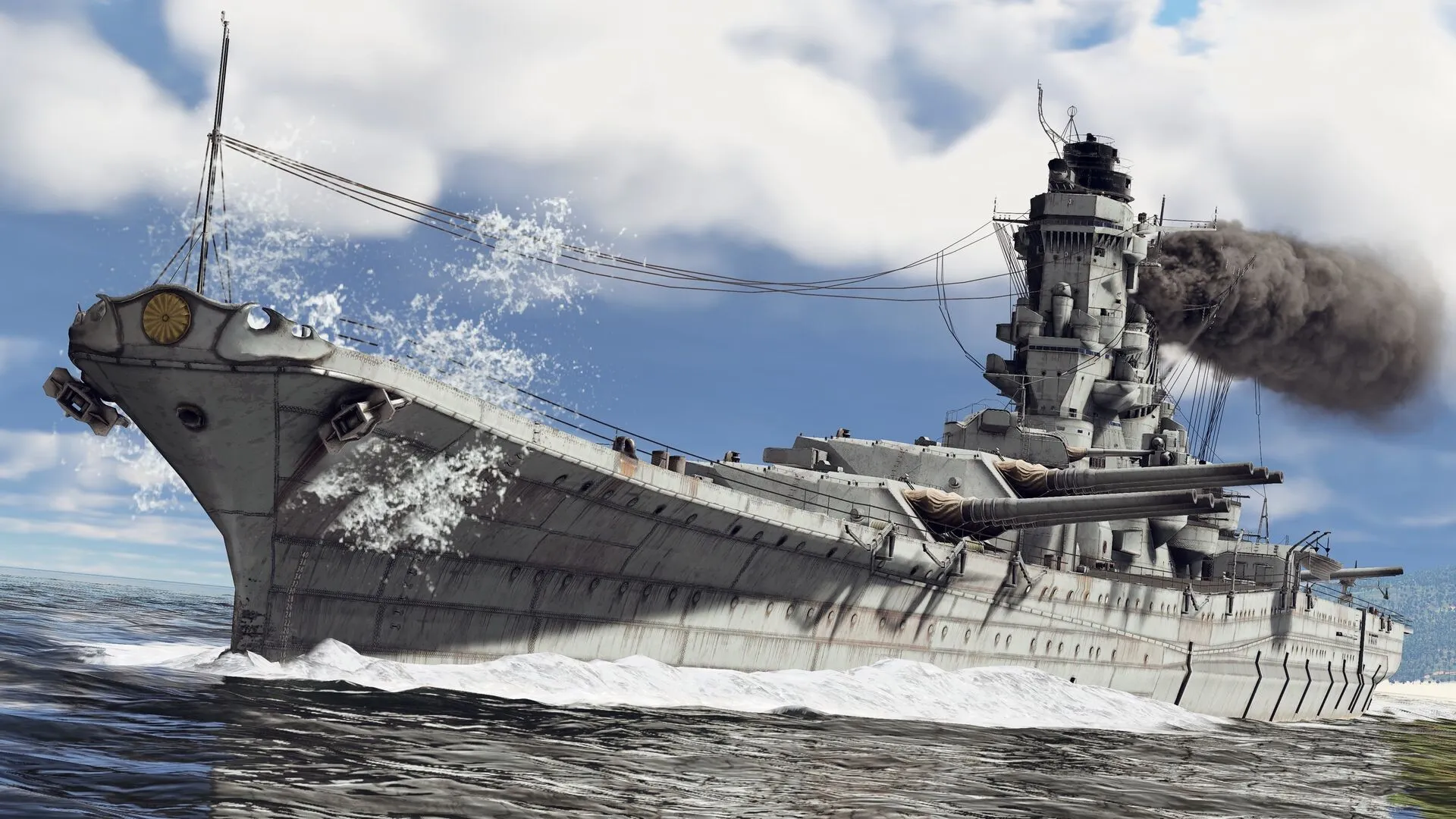
Ship physics are improved, with wave height and hull displacement affecting speed and gun accuracy. Torpedo velocity and detonation mechanics have been updated, giving destroyers and cruisers a more precise tactical role. Naval engagements now demand coordination and strategic positioning rather than brute firepower.
Damage Modeling and Armor Rework
Aircraft Vulnerability and Critical Hits
The new system tracks damage to individual components such as engines, fuel tanks, and control surfaces. Damage can lead to cascading failures, forcing pilots to adapt mid-battle. Ammunition detonation, hydraulic failures, and control loss add layers of realism and tension.
Tank Armor and Ammunition Interaction
Armor values have been recalculated based on slope, material composition, and ammunition type. Shell penetration now considers velocity, caliber, and impact angle with greater precision. This ensures that skilled angling, flanking, and knowledge of weak points are rewarded over spamming high penetration rounds.
Naval Hull and Module Damage
Ship modules such as turrets, engines, and radar arrays can now be selectively disabled, affecting combat effectiveness without destroying the vessel outright. Players must prioritize targets and focus fire strategically.
Expanded Vehicle Lines and Historical Additions
New Aircraft and Ground Vehicles
Several new vehicles were introduced in 2025, including experimental jets, armored reconnaissance tanks, and amphibious craft. These additions expand tactical options across multiple theaters and require mastery of new strategies.
Nation-Specific Upgrades
Country-specific tech trees received balance passes to ensure competitiveness. British fighters gained improved maneuverability, Soviet tanks enhanced mobility, and Japanese naval vessels received updated torpedo mechanics. These changes maintain historical accuracy while improving gameplay balance.
Map and Environmental Overhauls
Dynamic Weather Systems
Dynamic weather now affects visibility, flight physics, and surface traction. Fog, rain, and snow influence spotting, shell trajectory, and vehicle handling. Strategic decisions are increasingly dictated by environmental awareness.
Map Redesigns
Key maps have been redesigned to encourage multi-theater combat. Airfields, river crossings, and urban zones create opportunities for combined arms engagements. Naval maps integrate islands and choke points that reward coordinated fleet maneuvers.
Terrain Interaction
Players must now consider slope, vegetation, and obstacles in both offensive and defensive operations. Terrain provides both cover and hindrance, elevating the importance of reconnaissance and positioning.
Combined Arms and Team Strategy
Air-Ground-Navy Coordination
2025 updates emphasize multi-theater synergy. Aircraft spotting for tanks, naval artillery supporting ground assaults, and air interdiction over naval convoys now play a critical role. Players coordinating across branches dominate battles more consistently.
Role Specialization
Tanks, aircraft, and ships now fulfill distinct roles more clearly. Heavy tanks anchor engagements, medium tanks flank and exploit weak points, light tanks scout, fighter aircraft control the skies, and naval units enforce coastal dominance.
Competitive Play and Esports Evolution
Tournaments and Seasonal Leagues
War Thunder esports continues to grow, with seasonal leagues featuring nation restrictions, map rotations, and vehicle limits. Competitive play rewards strategic depth, communication, and historical knowledge rather than raw reaction speed.
Spectator and Analyst Tools
Enhanced spectator tools provide live overlays, trajectory visualization, and damage modeling data. Analysts can now break down engagements frame by frame, increasing strategic discussion and learning within the community.
Progression, Customization, and Crew Mechanics
Crew Skill Overhaul
Crew mechanics have been refined to allow specialization in roles like gunner efficiency, repair speed, and reconnaissance. Players can now tailor crews to match individual strategies, adding another tactical layer.
Vehicle Customization
Cosmetic options and performance upgrades provide personalization without undermining competitive balance. Skins, emblems, and historically inspired decals allow players to express identity while maintaining fairness.
Economy and Reward Systems
Performance-Based Rewards
Credits and experience are distributed based on contribution, including spotting, tactical support, and damage dealt. This encourages team-oriented play and reduces frustration from passive loss conditions.
Premium and Cosmetic Monetization
Monetization focuses on premium vehicles, historically accurate skins, and customization options. Players can enhance experience without creating pay-to-win advantages, promoting fairness across all tiers.
Community Integration and Feedback Loops
Player Councils and Testing Programs
Community-driven testing programs now influence balance updates. Feedback from competitive and casual players informs changes in vehicle stats, spawn points, and map design.
Social Systems and Cooperative Features
Squad play enhancements, cross-region matchmaking, and seasonal challenges foster collaboration. These systems allow casual players to experience high-level strategy while encouraging competitive growth.
Looking Ahead: 2026 and Beyond
Expanded Theaters of War
Future updates plan to integrate new continents, historical campaigns, and combined arms scenarios. Multi-stage operations will challenge teams to coordinate across land, sea, and air simultaneously.
Technological and Realistic Enhancements
Advanced physics, AI-driven battlefield simulation, and improved environmental interactions are expected to further deepen immersion and tactical complexity.
Live-Service Longevity
With continuous balance passes, seasonal content, and community feedback loops, War Thunder in 2025 establishes a platform for years of growth and strategic innovation.
Conclusion
War Thunder 2025 represents the pinnacle of combined arms simulation. Realistic physics, dynamic weather, refined vehicle mechanics, and multi-theater engagements create a deeply tactical and immersive experience. The 2025 updates reward player skill, strategic thinking, and coordination, while maintaining historical authenticity. Competitive modes, esports integration, and community-driven feedback ensure the game remains engaging for both casual and veteran players.
By elevating tactical depth across air, land, and sea, War Thunder continues to set the standard for vehicle combat simulations, proving that realism and gameplay can coexist in a thrilling and balanced live-service environment.