





Introduction
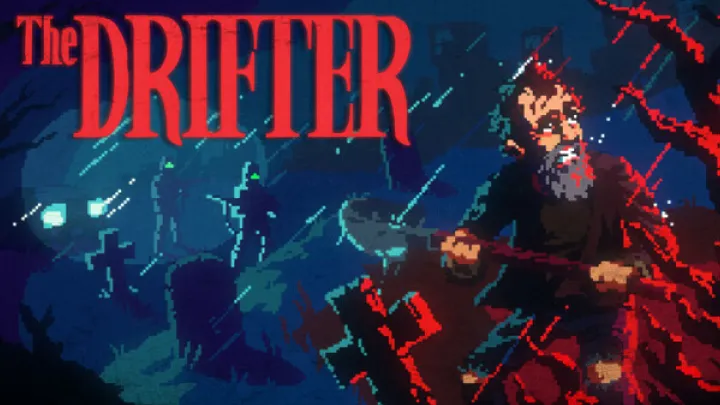
"The Drifter" captures players' imaginations with its unique blend of genre and rich storytelling, set against a backdrop of a vast and evocative universe. At its core, the game explores deep themes of isolation, personal struggle, and the quest for redemption. The protagonist, known simply as the Drifter, embarks on a journey filled with challenges that test not only their skills but also their will and values. This article aims to examine the intricate narrative layers of "The Drifter," emphasizing how themes of isolation and redemption manifest throughout the gameplay and impact player experience. By analyzing character arcs, storyline choices, and environmental storytelling, we can gain a deeper understanding of this compelling title.
Setting the Scene: The Drifter's World
An Expansive Universe
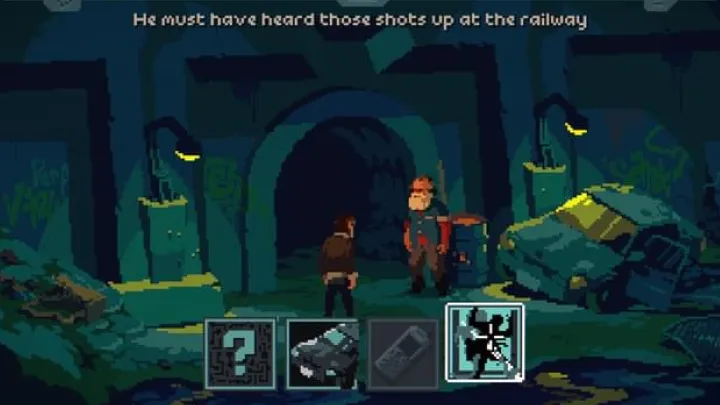
"The Drifter" thrives within a richly crafted universe that combines elements of sci-fi and urban fantasy. Players traverse barren landscapes, abandoned cities, and eerie otherworldly realms. Each environment is a testament to the world-building that draws players into the narrative.
The Central Conflict
The game sets the stage for a powerful central conflict tied to the Drifter's past. As players navigate through the universe, they encounter remnants of a once-thriving civilization, engaging with the remnants of history. These ruins serve as a poignant reminder of what has been lost, amplifying the sense of isolation felt by the protagonist and enhancing the emotional stakes of their journey.
Themes of Isolation: A Personal Journey
The Drifter as a Reluctant Hero
Throughout the game, the Drifter embodies the archetype of a reluctant hero. Disconnected from their roots, they wade through a series of challenges that echo their internal struggles. Players experience moments of solitude, contemplation, and vulnerability, prompting them to reflect on their own experiences of isolation and disconnection.
Internal Struggles and External Conflicts
The theme of isolation is not only present in the physical sense but also plays out on an emotional level. Players witness the Drifter grappling with feelings of guilt and remorse over past actions. This internal conflict is juxtaposed against external challenges, creating a compelling narrative arc that explores the complexities of human emotions.
Redemption: The Driving Force of Character Growth
A Quest for Forgiveness
As the game progresses, the Drifter's journey evolves into a quest for redemption. Players encounter choices that challenge them to confront their past decisions and seek forgiveness from both themselves and the world around them. This redemption arc is vital to the narrative, serving as a catalyst for character development and emotional investment.
Interaction with NPCs
Interactions with non-player characters (NPCs) further deepen the exploration of redemption. Each encounter reveals layers of complexity, as the Drifter’s choices impact relationships and outcomes. Engaging with NPCs not only enriches the story but also highlights the broader implications of one's actions, reinforcing the idea that personal growth is intrinsically linked to social connections.
Gameplay Mechanics: Choice and Consequence
The Importance of Player Agency
"The Drifter" employs a choice-based gameplay mechanic that significantly influences the narrative. Players make decisions that affect not only the storyline but also the Drifter's personal development and relationships with others. This focus on player agency establishes a sense of ownership over the narrative experience, encouraging players to reflect on the moral implications of their choices.
Consequences of Decisions
Every decision made by the player resonates throughout the game world, creating a ripple effect that impacts future interactions and storylines. Choosing to assist or betray an NPC can lead to dramatically different outcomes, showcasing the importance of ethical considerations in an immersive narrative. The consequences are felt not only in the immediate context but also weave into the character's long-term journey.
Environmental Storytelling: Echoes of the Past
Rich Visual Cues
Environmental storytelling in "The Drifter" enhances the player experience. The waste and decay of deserted cities speak volumes about the world's history and the cycles of life and death. Players can uncover hidden lore through exploration, learning about the civilization that once thrived in contrast to their current state of desolation.
Symbolism and Atmosphere
The game's aesthetic is rife with symbolism that reinforces its themes. Shadows lurking in abandoned streets represent the Drifter's past, while open skies indicate the potential for freedom and redemption. The juxtaposition of light and darkness serves to emphasize the overarching conflict between hope and despair, drawing players deeper into the narrative.
Character Development: Building Emotional Resonance
The Drifter's Growth
As players progress through the game, they witness the Drifter's evolution from a solitary figure burdened by the weight of past actions to someone who seeks to build connections. This transformation is rendered poignant through dialogue and interactions, encouraging players to invest emotionally in the character's journey.
Supporting Characters: Reflections of Identity
Supporting characters act as mirrors for the Drifter, reflecting aspects of personality, choices, and emotional struggles. Each character brings unique perspectives on isolation and redemption, prompting the protagonist to confront their beliefs and motivations. This interplay of relationships enriches the narrative and highlights the interconnectedness of individual experiences.
Challenges and Conflicts: Testing Resolve
External Challenges
Throughout "The Drifter," players face various external challenges that test not only their skills but also their resolve. Encounters with enemies, environmental hazards, and moral dilemmas create a sense of tension and urgency that drives the narrative forward. Players must navigate these challenges, often making trade-offs that reflect the theme of isolation.
Personal Choices and Moral Quandaries
The game does not shy away from presenting moral quandaries. Players frequently find themselves confronting difficult choices that compel them to weigh their beliefs against the potential consequences. These decisions take on a weighty significance, forcing players to reflect on how their actions align with their values and desires for redemption.
Emotional Engagement and Player Experience
Building Empathy
The emotional engagement in "The Drifter" is masterfully crafted. Players form connections with the Drifter and other characters, experiencing their struggles and triumphs. This emotional resonance enhances the gameplay, making each decision feel personal and impactful.
Moments of Reflection
"The Drifter" includes poignant moments that prompt players to reflect on broader themes of life, loss, and redemption. These reflective pauses allow for a deeper connection to the game's narrative, reinforcing the idea that the journey is as important as the destination.
Conclusion
In "The Drifter," players traverse a rich narrative landscape filled with themes of isolation and redemption. The intricately crafted world, along with its compelling character arcs and engaging gameplay mechanics, challenges players to confront their choices and reflect on their emotional journeys. As the Drifter navigates the shadows of their past, players are invited to experience the complexities of human relationships and the quest for a meaningful existence. Ultimately, "The Drifter" stands as a testament to storytelling in gaming, emphasizing that the path toward redemption is fraught with challenges yet offers the possibility of growth and connection.
In summary, "The Drifter" explores themes of isolation and redemption through narrative depth, choice-based gameplay, and emotional engagement, inviting players on a profound journey.