.webp)
Minecraft: The Challenges of Server Communities and Player Engagement
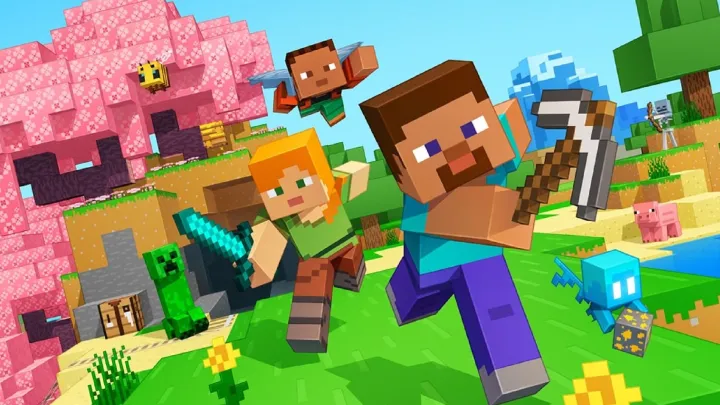
Minecraft continues to be a cultural phenomenon, drawing millions of players into its blocky yet infinitely expansive universe. With its sandbox mechanics, creativity shines, allowing players to build, explore, and survive in a world they craft themselves. However, one significant issue that has emerged over time revolves around server communities and the challenges of sustaining player engagement. This article will explore the intricacies of server dynamics, the importance of community interaction, and the ongoing struggle to maintain a vibrant player base in the ever-evolving landscape of Minecraft.
Introduction to Minecraft
The Blocky Universe
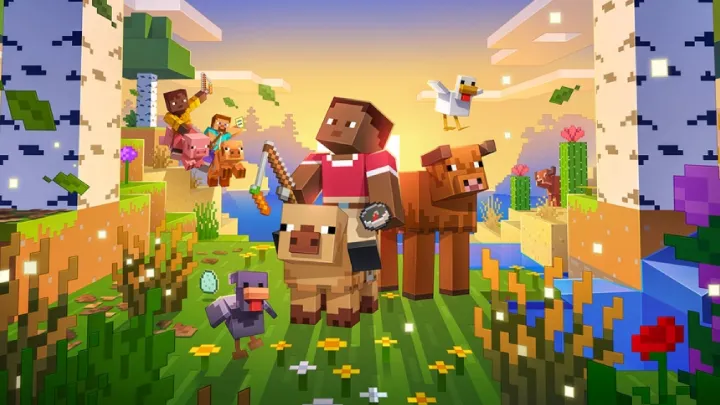
Launched in 2011, Minecraft quickly became a household name, capturing the hearts of gamers with its unique gameplay style. Players are thrust into a procedurally generated world where they can manipulate the environment, build structures, mine resources, and combat various creatures. Its blend of survival, creativity, and exploration lends itself to a multitude of play styles, attracting diverse audiences of all ages.
The Importance of Servers
As the game evolved, so did the community's interaction with its mechanics. One significant aspect that arose was the creation of multiplayer servers. These servers allow players to connect, collaborate, and compete, leading to a sense of community and shared experiences. However, managing these server communities poses numerous challenges that can impact player retention and the overall success of the server.
The Rise of Minecraft Servers
Server Types and Mechanics
Minecraft servers can be broadly categorized into various types: survival, creative, adventure, minigames, and roleplay, among others. Each server type offers unique mechanics and gameplay experiences that cater to different player preferences. For example, a Survival server emphasizes resource gathering and survival skills, while a Creative server provides players with unlimited resources to build and explore without the constraints of survival mechanics.
Attracting Players
The diversity of server types leads to various player communities. Each server strives to attract players through unique gameplay mechanics, custom mods, and community engagement. Some servers employ plugins or custom rules to differentiate themselves, but the sheer volume of servers available can make it difficult for any single entity to stand out.
The Challenge of Player Retention
Initial Attraction vs. Long-Term Engagement
While attracting players to a server can occur through effective marketing, maintaining their interest is another complex challenge. Initial excitement often fades as players exhaust available content or encounter balancing issues. Many find themselves migrating to different servers to experience new content, causing established communities to dwindle.
Community Building
Building and maintaining a thriving community is vital for player retention. Engagement is fostered through features like events, competitions, and social interactions among players. Servers that lack strong community ties often struggle with maintaining their player base, as individuals seek environments where they feel connected and valued.
Server Management Complexities
Admin Responsibilities
Server administrators face the massive responsibility of managing a Minecraft server. Responsibilities can range from technical upkeep—ensuring stability and performance—to community management, resolving conflicts among players, and ensuring fair play. The broad scope of these duties requires administrators to be knowledgeable and dedicated.
Technical Issues
From lag to downtime, technical problems can significantly impact player experience. Minecraft servers are susceptible to a myriad of technical issues that can frustrate players and lead to a decline in player activity. Regular maintenance and updates become essential to mitigate these challenges. Administrators must stay informed about Minecraft updates, mod compatibility, and performance optimization.
Player Expectations and Game Balance
The Demand for Content
Players often come to Minecraft servers with specific expectations of gameplay and community. Whether seeking adventure, competition, or collaboration, a server must adapt to continue meeting these needs. If a server fails to consistently deliver engaging content, players may quickly seek out alternatives.
Balance Issues
Game balance is crucial, particularly in competitive environments. Uneven balancing can alienate players who feel their efforts are not rewarded equally. If specific mechanisms or rewards favor certain aspects of gameplay, it can disrupt player experiences and lead to frustration.
Importance of Community Interaction
Building Relationships
One of the essential factors contributing to player retention is the relationships built within the server community. Engaged players who form friendships are more likely to stay involved. Platforms like Discord or in-game forums serve as valuable tools to foster communication and collaboration outside of gameplay, creating a sense of belonging.
Encouraging Participation
Server events, contests, and collaborative building projects can actively engage the community. When players feel involved in an active social environment, it not only enhances the gaming experience but also fosters loyalty to the server. Community engagement serves as a vital component in creating memorable experiences.
Utilizing Feedback for Improvement
Gathering Player Insights
Feedback systems can greatly enhance a server’s ability to adapt to player needs. By collecting input from players regarding gameplay experiences, administrators can tailor their policies, events, and content updates accordingly. Tools such as server polls or suggestion channels can facilitate constructive discussion.
Iterative Enhancements
Incorporating feedback into server development can create a robust environment that aligns with player expectations. Continuous improvement based on player input leads to a dynamic and evolving server experience, encouraging loyalty and sustained interest over time.
The Role of Monetization
Generating Revenue
Many servers implement monetization strategies to sustain operational costs. While these methods can support server stability, they may also impact community perception if implemented poorly. Common monetization practices include donation systems and in-game purchases. Balancing profit with player satisfaction is key.
Community Sentiment on Paywalls
Players often express concerns about monetization practices, particularly when it leads to perceived pay-to-win scenarios. If certain advantages are locked behind paywalls, it can lead to frustration and resentment, potentially driving players away from the server. Maintaining transparency about how funds are used to improve the server is essential to build trust.
Future Trends in Minecraft Server Communities
Evolving Player Demands
As Minecraft continues to evolve, player expectations will also change. New features, mechanics, and player trends will shape server dynamics, compelling server administrators to stay agile in adapting their offerings. Keeping an eye on not only game updates but also player preferences will be crucial for long-term success.
Embracing New Technologies
Emerging technologies, such as cross-platform play or enhanced modding capabilities, could further change the landscape of Minecraft servers. Adopting new tools and technologies may help foster connections and interactions across various communities and platforms, enhancing overall engagement.
Conclusion
Minecraft servers embody the heart of the game's multiplayer experience, yet they face ongoing challenges in maintaining player engagement and community spirit. From managing technical issues to balancing monetization strategies, administrators must navigate complex dynamics to ensure thriving environments. Through community engagement, feedback systems, and iterative improvements, servers can maintain their vibrancy and keep players invested in their worlds. As the Minecraft landscape continues to evolve, both server operators and players must adapt to foster unique, memorable experiences together.