.webp)







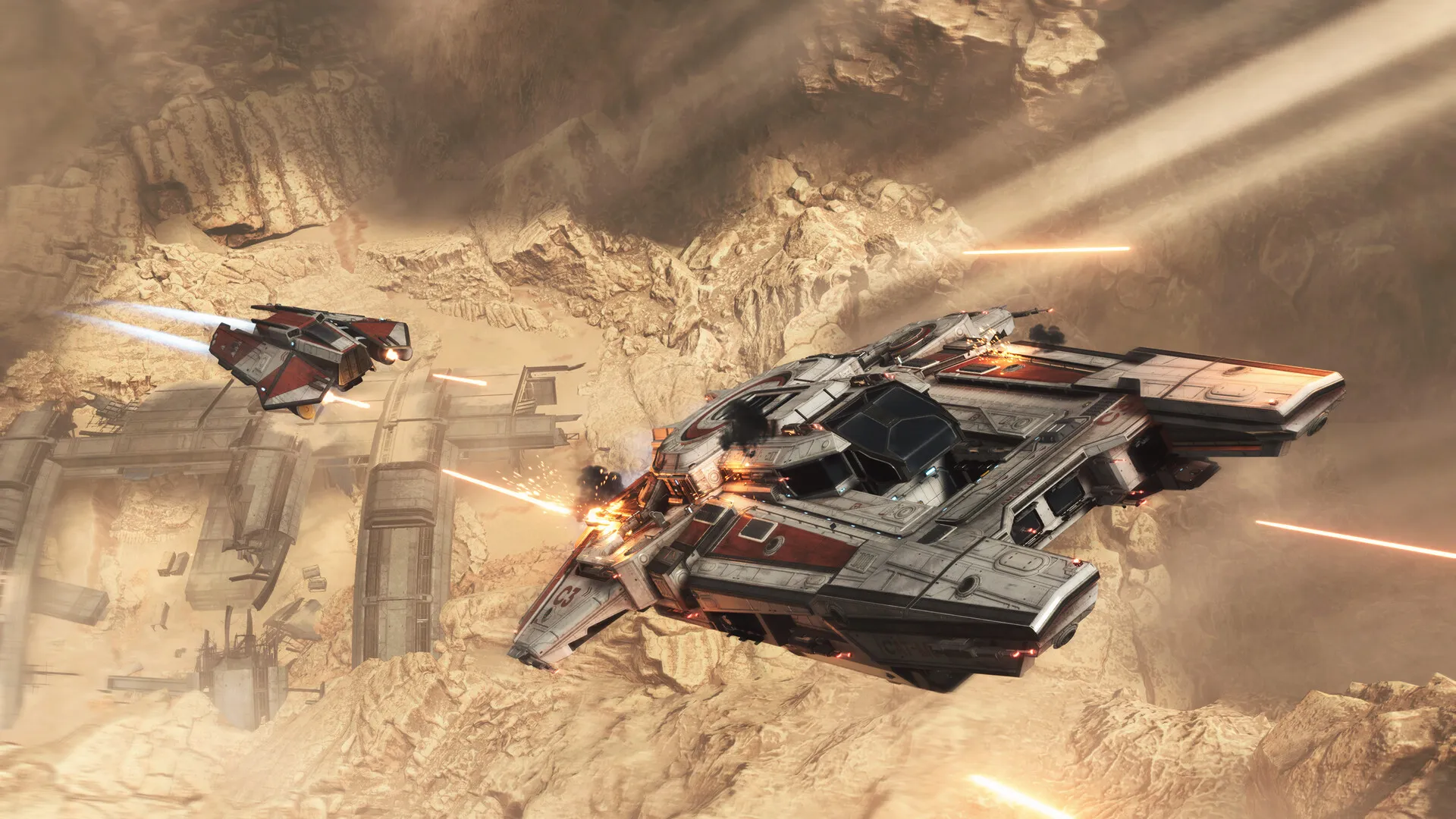
Jump Space is a fast-paced platformer built around precision movement, timing, and spatial awareness. Set in a minimalist sci-fi environment, the game challenges players to navigate floating platforms, avoid deadly hazards, and execute perfect jumps in a zero-gravity-inspired setting. While it may look simple at first glance, Jump Space quickly becomes a demanding test of reflexes, patience, and control. This guide will help you understand core mechanics, improve your movement, and conquer even the most difficult levels with consistency.
Understanding Core Movement Mechanics
At its heart, Jump Space is about movement control.
Your character’s jump arc, momentum, and landing precision determine success or failure. Unlike traditional platformers, small adjustments mid-air can drastically change your trajectory.
Learning how momentum carries you forward is critical. Even slight overcorrections can lead to missed platforms or deadly falls.
Mastering Jump Timing and Precision
Timing is everything in Jump Space.
Every jump must be deliberate. Jumping too early or too late often results in failure, especially in tighter sections where platforms are spaced narrowly.
Practice consistent rhythm. Many levels are designed with a flow that rewards players who can maintain steady timing rather than rushing.
Controlling Momentum in Mid-Air
Momentum management separates beginners from skilled players.
Once airborne, your movement is not fully fixed. Adjusting direction slightly helps correct mistakes, but over-adjusting leads to loss of control.
Understanding when to commit to a jump and when to correct mid-flight is a crucial skill for advanced levels.
Learning Level Patterns and Layouts
Each level introduces patterns and hazards that must be memorized.
Spikes, moving platforms, disappearing tiles, and rotating obstacles often follow predictable sequences. Observing these patterns before acting increases success rates.
Instead of rushing, take a moment to study each section. Knowledge of layout reduces unnecessary retries.
Using Checkpoints Effectively
Checkpoints are your safety net.
Reaching checkpoints allows you to retry difficult sections without restarting the entire level. Focus on mastering one segment at a time rather than trying to complete everything in one perfect run.
Treat each checkpoint as a learning milestone rather than just a progress marker.
Avoiding Common Beginner Mistakes
Many failures come from simple errors.
Overjumping is one of the most common mistakes. Players often apply too much movement, causing them to overshoot platforms.
Another issue is panic jumping—reacting too quickly without aligning properly. Staying calm improves accuracy significantly.
Improving Reaction Time and Focus
Jump Space requires strong reflexes.
Practicing regularly helps build muscle memory, allowing you to react faster to hazards and platform changes.
Maintaining focus is just as important. Losing concentration for even a second can result in failure in later stages.
Handling Advanced Obstacles
Later levels introduce complex challenges.
Moving platforms require timing not only your jump but also their position. Rotating hazards demand awareness of angles and timing windows.
Combining multiple obstacle types in one section tests your ability to multitask and stay composed under pressure.
Developing Consistency Through Practice
Consistency is more important than occasional success.
Instead of celebrating one lucky run, aim to complete sections repeatedly without mistakes. This builds confidence and reliability.
Breaking levels into smaller parts and mastering each segment ensures smoother full runs.
Staying Calm Under Pressure
The difficulty of Jump Space can become overwhelming.
Frustration often leads to rushed decisions and repeated mistakes. Taking short breaks helps reset focus and improve performance.
Approach each attempt with patience. Calm, controlled gameplay leads to better results than aggressive rushing.
Conclusion