.webp)








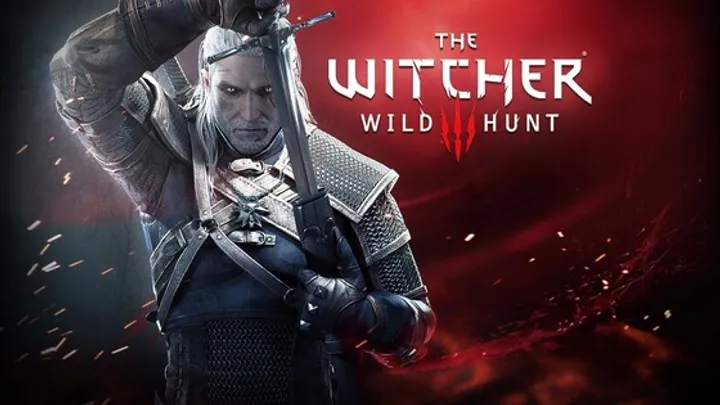
The Witcher 3: Wild Hunt remains one of the most celebrated RPGs of all time, and its modern updates and next-gen improvements have brought a massive wave of new players into the world of Geralt of Rivia. Yet while the game is praised for its story and atmosphere, many players still struggle to truly master its systems. Combat can feel punishing, alchemy overwhelming, and world exploration confusing for those approaching it for the first time—or even returning after years away.
This guide is designed to break down the game into a chronological, meaningful progression that teaches you how to master every essential system. We’ll start from the basics and move into advanced strategies, uncovering the secrets of combat, crafting, economic management, builds, signs, exploration, Gwent, and long-term decision-making. By the end of this comprehensive guide, you’ll be able to play like a seasoned Witcher ready to face any contract, monster, or political dilemma.
Character Creation and Early Understanding of Geralt
The Witcher 3 does not allow custom character creation, but mastery starts with understanding who Geralt is and how his designed limitations shape gameplay. Geralt is not a knight, not a mage, and not a traditional open-world blank-slate hero. He is a mutant whose strength is tied to agility, precision, and preparation. The earlier a player accepts this design philosophy, the smoother combat becomes.
During the opening hours in White Orchard, players are introduced to Geralt’s foundational mechanics: dodging, light attacks, heavy attacks, and signs. This is the perfect stage to experiment freely. Many beginners misunderstand dodging and rolling—two mechanics that look similar but behave differently. Dodges allow tight, close-range repositioning, while rolls create distance but drain stamina. Learning when to use each action defines early survival.
You should also understand that Geralt’s build flexibility increases dramatically as you gain levels. Early game skills can and should be respec’d later. Do not lock yourself into a path too early. White Orchard is a laboratory—use it that way.
How to Explore the World Efficiently
The game’s vast open world often leads players into overwhelming distraction. Efficient exploration requires intention. Start by identifying regions with manageable enemy levels. The key rule: follow the story until you reach Velen, then begin controlled exploration. Avoid diving into skull-marked enemies; these areas are meant for later progression.
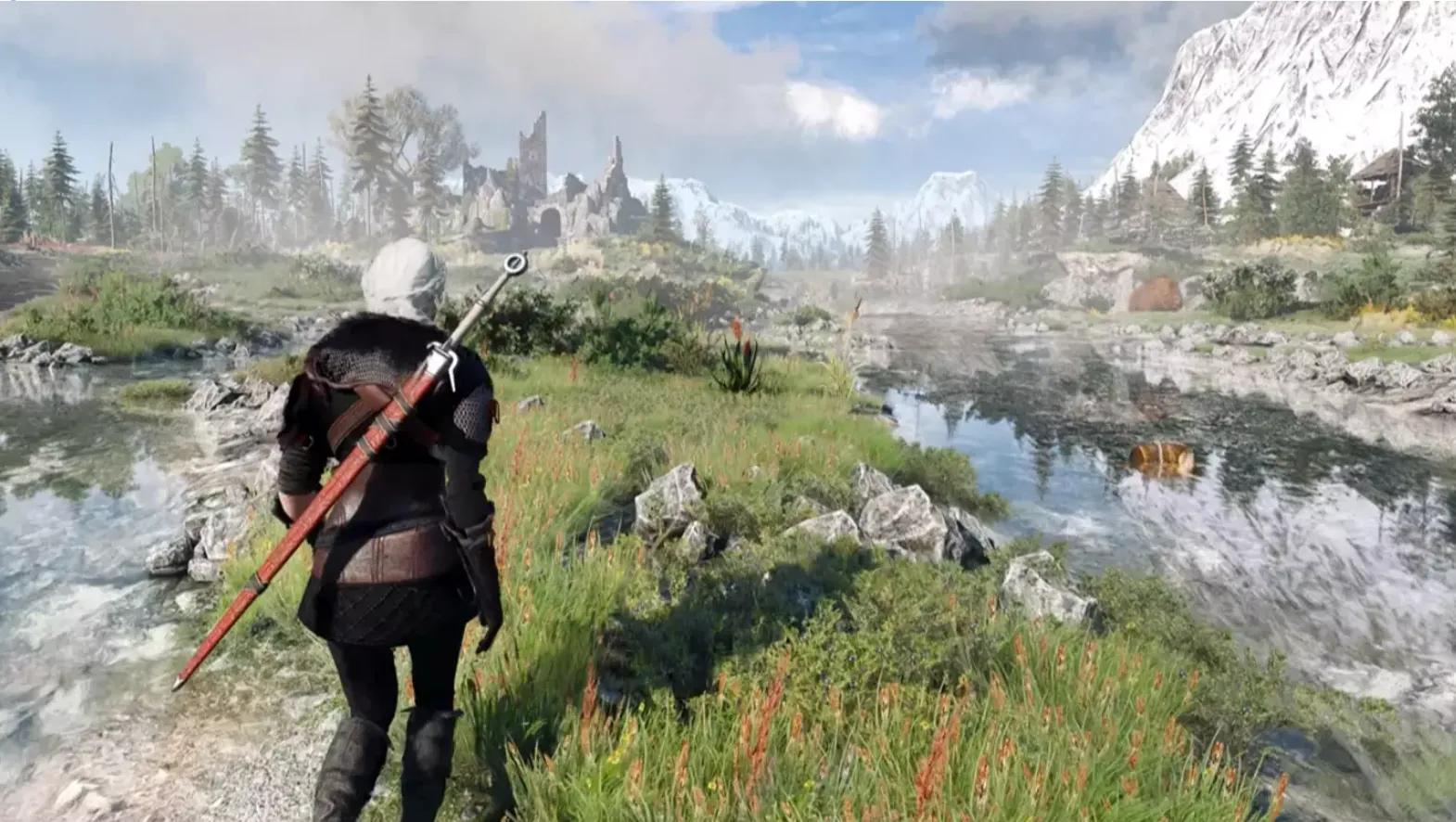
Fast travel points are essential for reducing downtime, but players should still navigate on horseback to reveal hidden paths, abandoned sites, and points of interest. Many new players rely too heavily on quest markers, missing environmental clues. The Witcher 3 rewards observation—smoke traces lead to villages, ruins hide treasure, and footprints signal secrets.
A strategic approach to exploration includes dividing the map into zones and completing all manageable tasks there before moving on. This avoids level imbalance and guarantees a smoother progression curve. It also ensures better access to crafting materials, monster parts, and crucial diagrams scattered across dangerous areas.
How to Master Combat Fundamentals
Combat in The Witcher 3 is often misunderstood as button-mashing. In truth, it is rhythm-based, timing-dependent, and preparation-driven. Your first step is understanding movement. Geralt’s pirouettes, sidesteps, and dodges are built for evasion rather than blocking. Parrying is useful, but only against humanoids.
A crucial mechanic is stamina management. Everything—signs, dodges, strong attacks—competes for stamina, so players must balance offense and defense. Staying too aggressive results in being unable to dodge a fatal strike. Staying too defensive prevents dealing damage.
To truly master combat, learn about enemy archetypes. Necrophages should be staggered with Yrden or Igni. Elementals require Quen management. Human enemies are best defeated with parry-riposte patterns. Maintain flexibility. The Witcher 3 rewards players who switch tactics rather than relying on a single method.
How to Use Signs Like a Professional Witcher
Geralt’s signs may seem simple at first glance, but each one has layered functionality that becomes essential on higher difficulties. Think of them as spells with tactical purpose rather than raw damage tools.
Aard is your crowd-control tool. Use it to stagger, interrupt archers, or create breathing room. Igni is best applied to enemies weak to fire or with flammable substances. But many players overlook that Igni’s burn effect deals damage over time while allowing you to reposition.
Quen is the most important sign for beginners and experts alike. It absorbs damage, allowing aggressive playstyles without fatal punishment. Later in the game, upgrading Quen creates shockwaves that stagger opponents, turning defense into offense. Yrden is essential for wraiths and specters, and Axii offers crowd control and unique dialogue advantages. A Witcher who ignores signs is only half a Witcher.
How to Build Geralt for Your Preferred Playstyle
Build crafting in The Witcher 3 is flexible and rewarding once you understand synergy. Instead of spreading points thin, choose one or two central concepts. The three major build categories are combat-focused, sign-focused, and alchemy-focused.
Combat builds prioritize fast attacks, adrenaline point generation, and mobility. Effective for players who rely on reflexes and aggressive strategies. Sign builds emphasize sustained magical effects and stamina regeneration, especially strong when paired with armor that enhances sign intensity. Alchemy builds focus on potions, oils, and decoctions—this is the most complex but most powerful build type, enabling Geralt to deal massive damage with minimal risk.
Regardless of your base path, mutagens play a critical role. Match mutagen colors to ability colors for huge bonuses. Later in the game, the Blood and Wine mutation system unlocks advanced, hybrid builds. These systems transform Geralt from a basic fighter into a customized powerhouse.
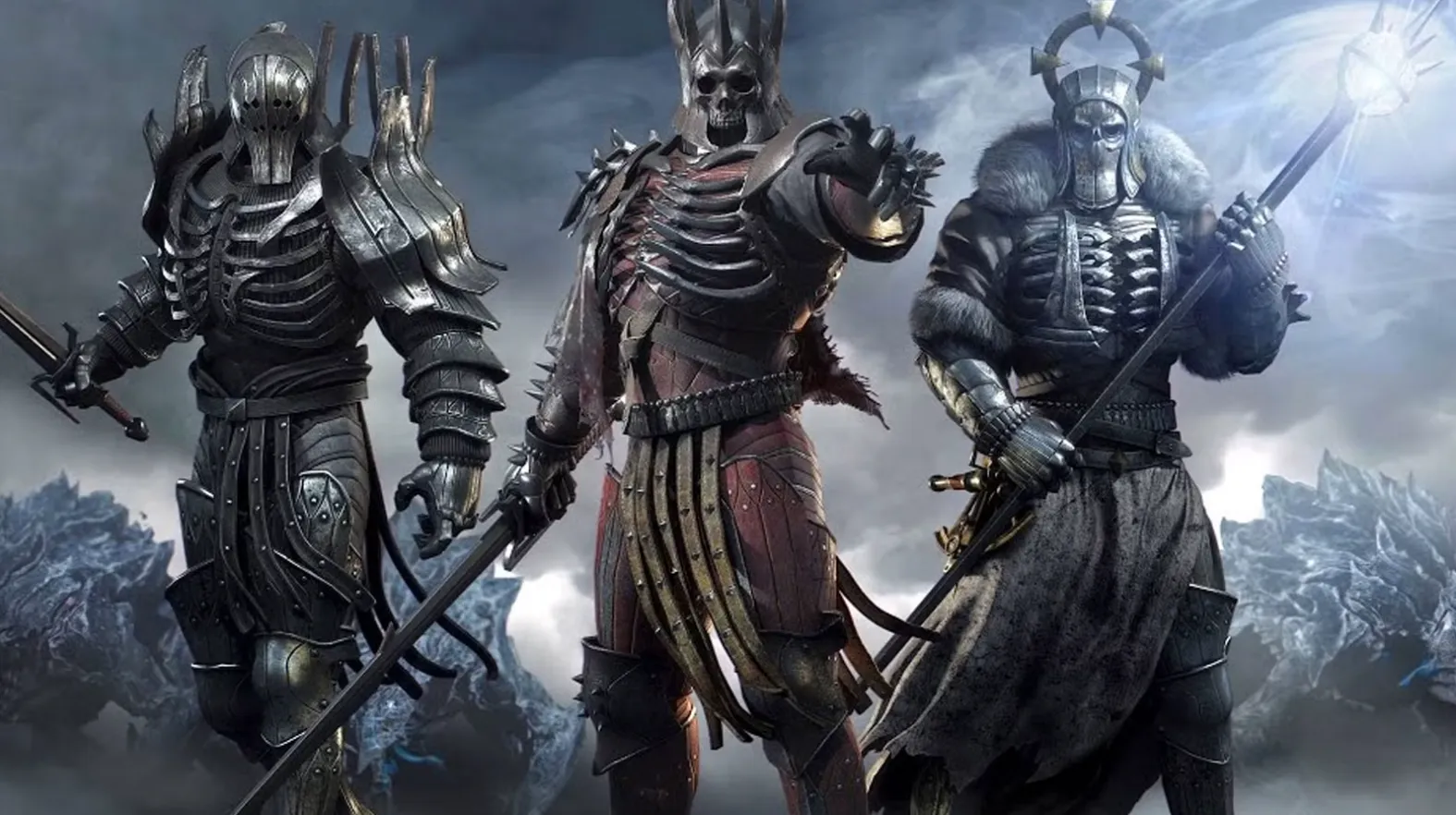
How to Use Alchemy, Oils, and Potions
Alchemy is not optional in The Witcher 3—it is a core mechanic meant to support Geralt’s mutated physiology. Players who ignore alchemy will always struggle more. Start by crafting basic potions like Swallow and Thunderbolt. Bombs such as Grapeshot and Samum become essential in monster contracts.
Oils, often overlooked by new players, are incredibly powerful. Applying oils before each fight guarantees dramatic damage buffs against specific monster types. Higher-level oils add bleed, vulnerability, and stacking bonuses.
Decoctions are the most advanced form of alchemy. They have powerful long-lasting effects and minimal toxicity drain. Basilisk decoction boosts damage when stamina is full, while Ekhidna decoction heals Geralt with each stamina expenditure. With proper synergy, alchemy becomes a game-changer, turning difficult encounters into manageable ones.
How to Manage Money, Crafting, and Gear Upgrades
Many new players feel poor throughout the early and mid-game because they sell items everywhere, craft too often, or buy unnecessary gear. The first rule: do not dismantle or craft blindly. The most efficient money strategy is to loot everything and sell to the correct vendors.
Weapons should be sold to blacksmiths, armor to armorers, and alchemy ingredients to herbalists. Greater discounts and higher purchase prices apply when selling to specialized vendors. Another trick is dismantling expensive items to obtain rare materials for crafting Witcher school gear.
Gear progression peaks with Witcher sets: Griffin, Cat, Bear, Wolf, and later Manticore. Upgrade these sets as you level. They are balanced for all playstyles and scale reliably. A fully upgraded Witcher set often outperforms rare drops and crafted alternatives.
How to Master Quests, Choices, and Consequences
The Witcher 3 is not a game where choices affect only the ending—they shape entire regions. Hundreds of quests contain branching paths, and understanding the game’s moral structure helps players avoid unintended consequences.
The world is built around the idea that “there is no good choice, only a less harmful one.” When making decisions, consider political impact, monster ecology, human behavior, and long-term fallout. Sparing a monster may save a village or doom it depending on context. Helping one faction may anger another permanently.
To master quests, read journal entries carefully. Many quests contain hidden steps that reward thorough investigation, alternative solutions, and peaceful resolutions. The more you role-play Geralt as a professional Witcher, the more meaningful your decisions become.
How to Win at Gwent and Build a Strong Deck
Gwent is deceptively simple but deeply strategic. The first lesson: lose the first round intentionally if needed. Forcing your opponent to exhaust strong cards early creates enormous advantage.
The Northern Realms starter deck is excellent for beginners due to its many spy cards and card-draw abilities. As you progress, prioritize cards such as Catapult, Blue Stripes, and key heroes. Completing Gwent quests expands your deck quickly and consistently.
Advanced strategies include baiting your opponent into overcommitting, using weather cards selectively, and constructing deck synergies based on your preferred faction. Whether using Monsters’ overwhelming numbers or Nilfgaard’s control tactics, mastery comes from knowing when to pass, not when to play.
How to Prepare for Endgame Content and DLC
The endgame begins when Geralt reaches level 30+, and this is where the game’s most challenging encounters appear. To prepare, focus on maximizing your build’s synergy rather than raw stats. Upgrade armor to Grandmaster level and craft superior oils, bombs, and decoctions.
Hearts of Stone introduces incredibly powerful bosses requiring advanced alchemy and sign usage. Blood and Wine presents the massive region of Toussaint and complex new mutation systems.
To handle endgame content gracefully, rotate potions, prepare before each major fight, and understand enemy vulnerabilities. Geralt becomes nearly invincible when leveraging every system—skills, signs, alchemy, and crafted gear working in harmony.

Conclusion
Mastering The Witcher 3: Wild Hunt requires patience, intention, and an understanding of the game’s deeper mechanics. From exploration and combat strategy to alchemy, economy, and meaningful choices, every part of the game is designed to reward thoughtful play. This guide gives you a structured, chronological path to uncover the systems that transform Geralt from a wandering swordsman into a legendary Witcher. Whether you are a returning veteran or a new player stepping into the Continent for the first time, applying these strategies will elevate your entire experience and prepare you for everything the world has to offer—monsters, politics, heartbreak, and triumph.