.webp)








Introduction
Garden automation is the turning point where Grow a Garden shifts from a hands-on farming game into a powerful management and optimization experience. Many players reach a stage where manual watering, harvesting, and soil management become overwhelming, slowing progress instead of accelerating it. Automation solves this problem by allowing your garden to function efficiently—even when you are offline.
This guide explains how garden automation works, when to unlock it, which systems matter most, and how to scale automation without wasting resources. If your goal is to build a self-sustaining, high-yield garden that grows faster than manual play ever could, this guide will show you exactly how to do it.
1. Understanding Automation Systems in Grow a Garden

Automation in Grow a Garden refers to any system that reduces or replaces manual actions. These systems include sprinklers, auto-harvesters, soil regulators, seed planters, and environmental controllers. Each automation tool is designed to handle repetitive tasks more efficiently than a player can manually.
The key to automation is not replacing all actions instantly, but removing the most time-consuming ones first. Watering and harvesting usually consume the most time, making them the best initial automation targets. Understanding what each system does and how it interacts with plant growth allows you to automate intelligently instead of blindly installing machines everywhere.
2. When You Should Start Automating Your Garden
One of the most common mistakes players make is automating too early—or too late. Automating too early drains resources when your garden is still small, while automating too late causes burnout and inefficiency.
The ideal time to begin automation is when:
- You manage more than 10–12 plots
- Manual watering takes longer than one full growth cycle
- You have stable income from consistent harvests
- Tool upgrades are becoming expensive
At this stage, automation increases efficiency instead of acting as a luxury. Timing automation correctly ensures a smooth transition from manual farming to system-based management.
3. Automating Watering for Immediate Efficiency Gains
Watering automation delivers the fastest return on investment. Sprinklers and irrigation systems ensure plants stay within optimal hydration thresholds without constant player interaction. Proper sprinkler placement allows overlapping coverage, maximizing hydration while minimizing wasted water.
The most effective sprinkler layouts follow grid or zone-based designs. Crops with similar hydration needs should be grouped together, allowing each sprinkler to operate efficiently. Early automation systems may not be perfect, but even basic setups dramatically reduce stamina use and time spent on repetitive tasks.
Once watering is automated, you free up time to focus on higher-level decisions like breeding, trading, and layout expansion.
4. Automating Harvesting Without Losing Yield
Harvest automation is more complex than watering because timing matters. Harvesting too early reduces yield, while harvesting too late risks decay or inefficiency. Auto-harvesters solve this by triggering only when crops reach optimal maturity.
Proper calibration is essential. You should configure auto-harvesters based on crop type and growth speed. Fast crops benefit from aggressive harvesting settings, while slow, high-value crops should be harvested conservatively.
Automation does not mean loss of control—it means consistent execution. When set correctly, auto-harvesters outperform manual harvesting by eliminating human error and timing inconsistencies.
5. Soil Management Automation and Fertility Control
Soil health plays a massive role in long-term productivity. Manual soil management becomes impossible as gardens grow larger, making automation essential. Soil regulators automatically restore fertility, balance moisture, and prevent nutrient depletion.
Automated soil systems work best when paired with crop rotation zones. Each zone can be configured for specific soil behavior, ensuring crops always grow under ideal conditions. This reduces the need for constant fertilizer usage and prevents yield drops caused by soil exhaustion.
Automated soil control ensures your garden remains productive over long sessions and across seasonal changes.
6. Automated Seed Planting and Crop Cycling
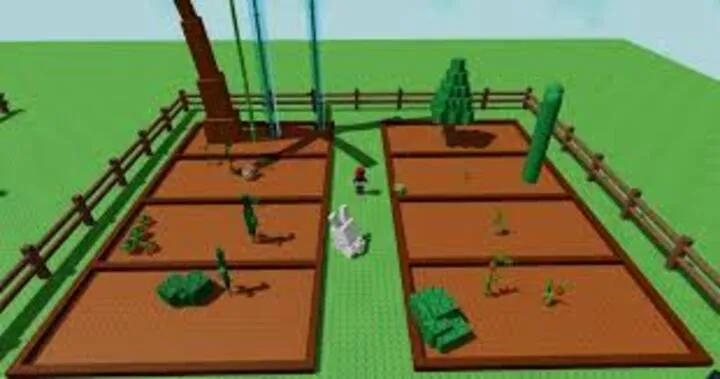
Seed planting automation is one of the most advanced but rewarding systems in the game. Auto-planters can replant crops immediately after harvesting, maintaining uninterrupted production cycles.
The key to effective auto-planting is seed prioritization. You must define which seeds get planted first, which are reserved for breeding, and which are held for seasonal bonuses. Without proper configuration, auto-planters may waste rare seeds on low-efficiency plots.
When optimized, automated planting creates a true production loop where crops grow, harvest, and replant without manual input—forming the backbone of late-game efficiency.
7. Combining Automation with Seasonal and Zone Strategies
Automation becomes exponentially more powerful when combined with seasonal planning and zone layouts. Instead of automating randomly, divide your garden into functional zones:
- Fast-growth zones
- High-yield zones
- Greenhouse zones
- Breeding zones
- Resource production zones
Each zone can have customized automation rules. Seasonal changes can be addressed by switching automation presets rather than rebuilding your entire garden. This level of control allows you to scale massively without losing efficiency.
8. Energy and Resource Optimization Through Automation
Automation reduces stamina usage but increases energy and maintenance costs. Efficient automation means balancing operational cost with output gains. Poorly optimized systems can drain resources faster than manual farming.
To optimize automation costs:
- Disable unused systems
- Avoid overlapping automation coverage
- Upgrade efficiency modules instead of adding more machines
- Maintain only what produces measurable value
Well-optimized automation systems pay for themselves quickly and allow exponential growth with minimal manual effort.
9. Common Automation Mistakes to Avoid
Many players sabotage their own automation progress through simple mistakes. Common issues include:
- Automating too many systems at once
- Ignoring maintenance costs
- Using automation on low-value crops
- Poor placement leading to wasted coverage
- Forgetting to update automation rules after upgrades
Automation should simplify your garden—not complicate it. Regularly reviewing your systems ensures they remain efficient as your garden evolves.
10. Scaling Into a Fully Automated Mega Garden
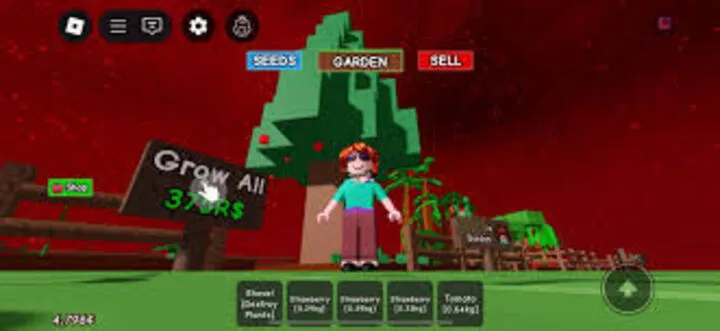
The end goal of automation is a fully self-sustaining mega garden. At this stage, your role shifts from gardener to strategist. You manage layouts, upgrade systems, monitor efficiency, and fine-tune production loops.
A mega garden relies on:
- Complete watering automation
- Precise harvesting control
- Intelligent auto-planting
- Advanced soil regulation
- Seasonal automation presets
When fully realized, your garden continues producing high-value crops even while you are offline, generating massive long-term gains.
Conclusion
Garden automation is the most powerful progression tool in Grow a Garden. By automating watering, harvesting, soil management, and planting in the correct order, you eliminate inefficiencies that slow most players down. Automation allows your garden to scale smoothly, adapt to seasons, and operate continuously with minimal input. When implemented strategically, automation transforms your garden into a self-running system capable of producing enormous yields and supporting late-game expansion effortlessly.